Design & Interactive · Collaborative game development
Hungry Haus
Trailer, condensed from a full playthrough. The complete playthrough is linked below.
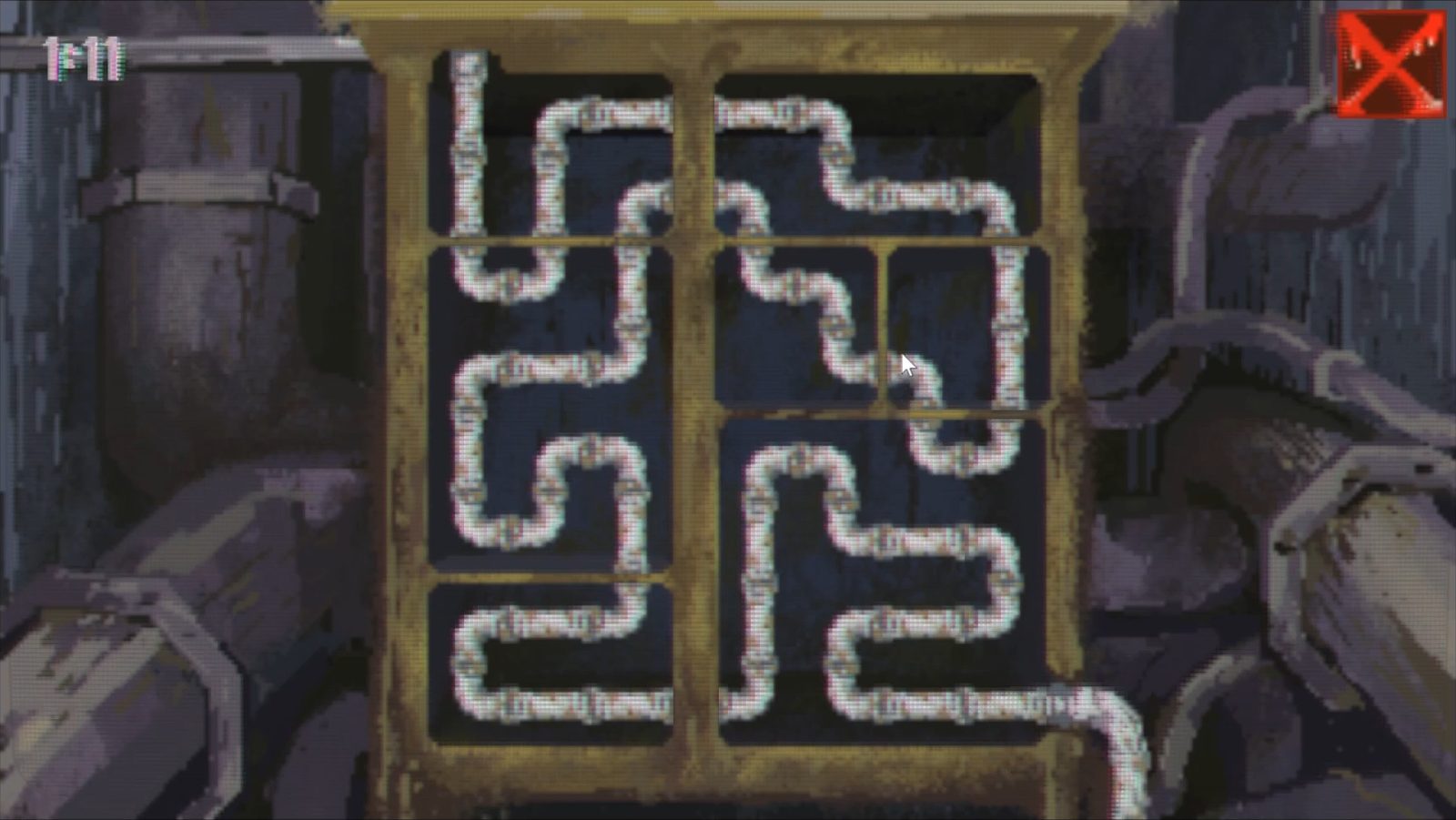
Hungry Haus is a first-person horror puzzle game. You play an exorcist hired to clean a decaying house with a dark past, solving puzzles room by room while the house closes in.
It was made by an 18-person student team at Brown–RISD Game Developers. I was one of the credited 2D/3D artists: I built environments and props in Blender, brought art into the Godot engine, and ran playtests.
- Role
- 2D/3D artist (credited)
- Team
- Brown–RISD Game Developers, 18 credited members; produced by Henry Earnest and Macey Horton
- Dates
- February–May 2025
- Engine
- Godot 4.4
- Status
- Published and playable on itch.io
What I contributed
I modeled and textured key environments and retro-horror hero props, assembled the concept board used to set the visual tone, integrated art in Godot 4.4 and organized assets for the team, worked on visual cues that guide players through rooms and puzzles, and ran playtests that identified more than 30 issues.
Inside the house
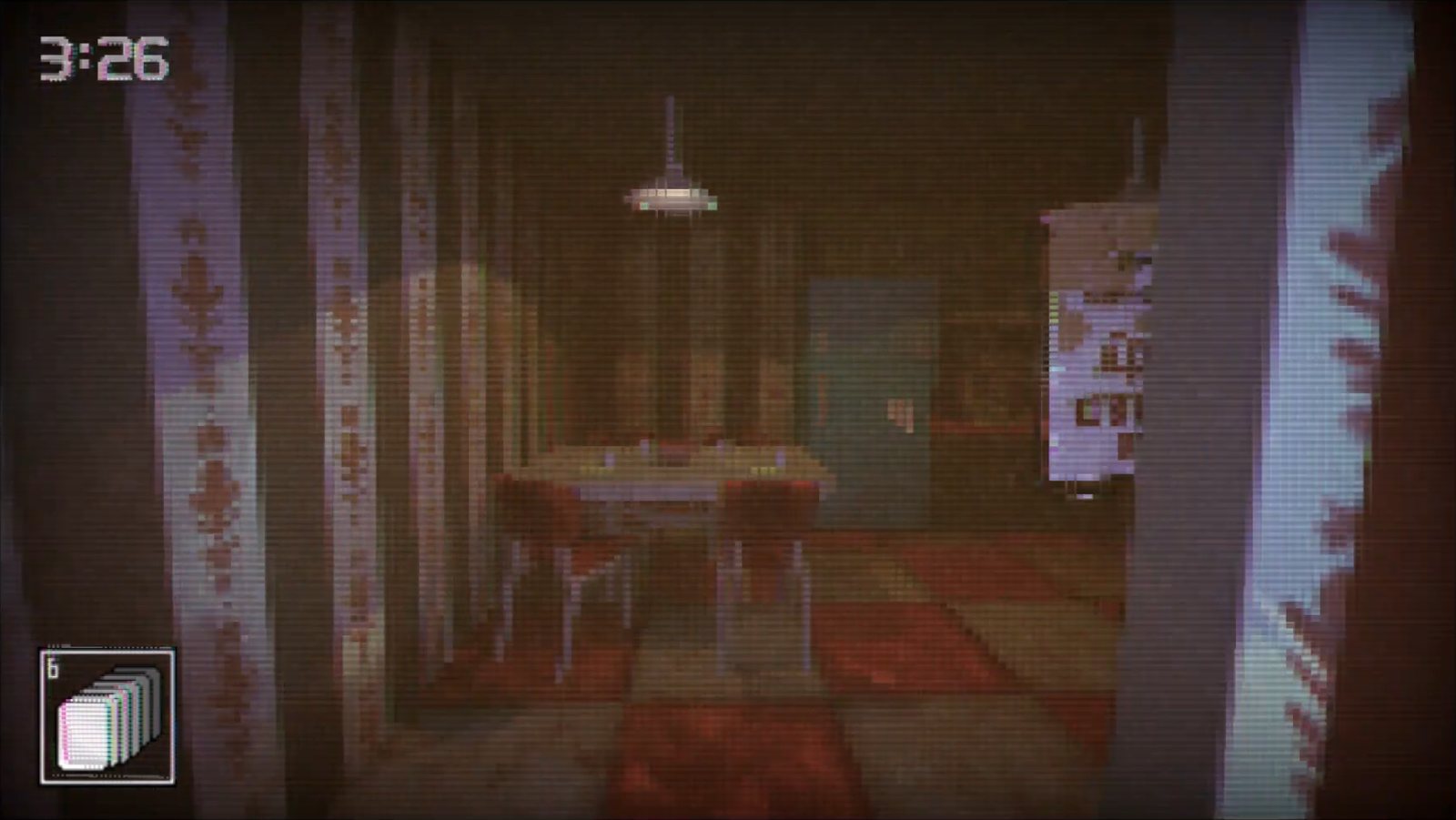
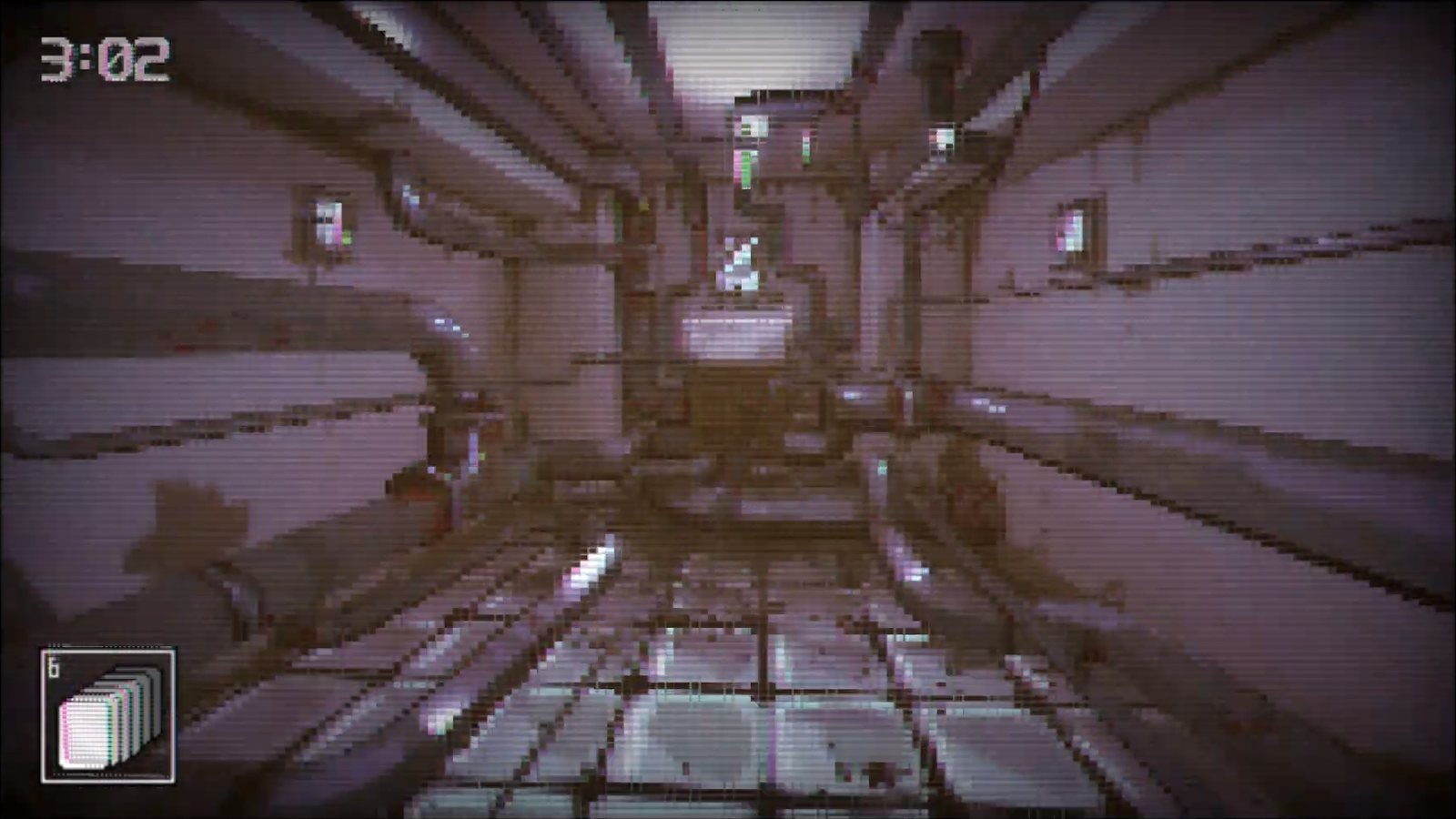
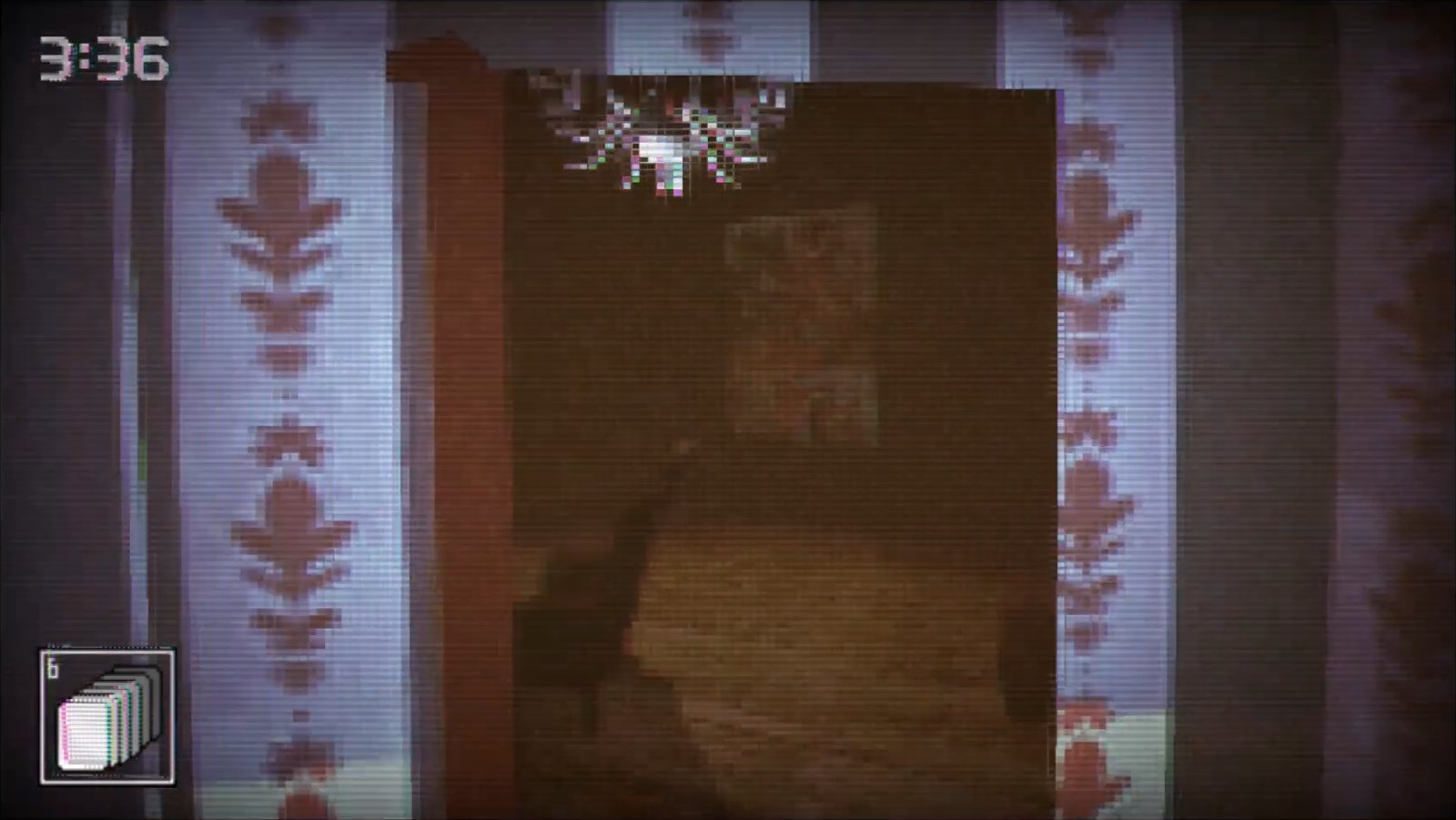
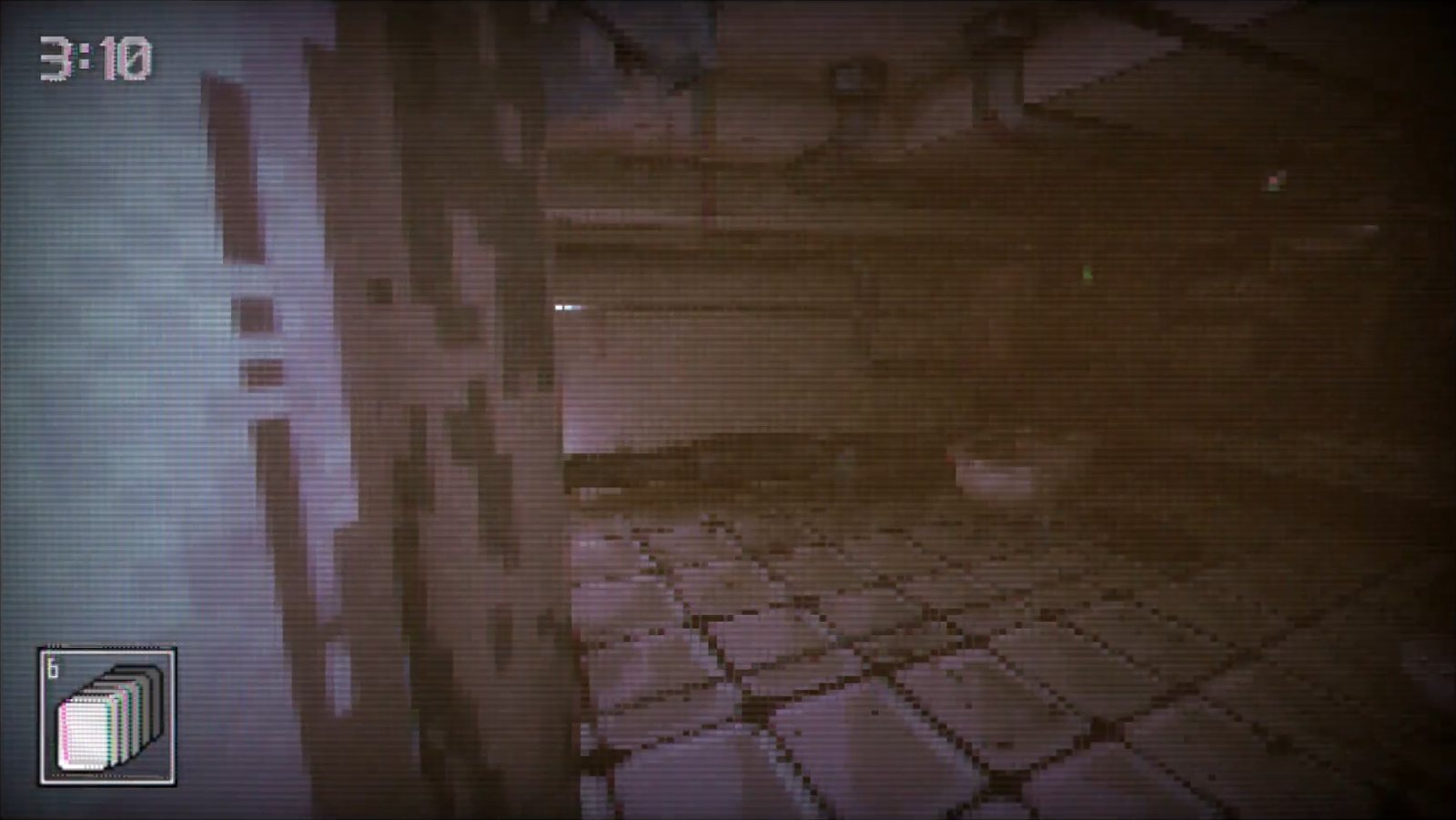
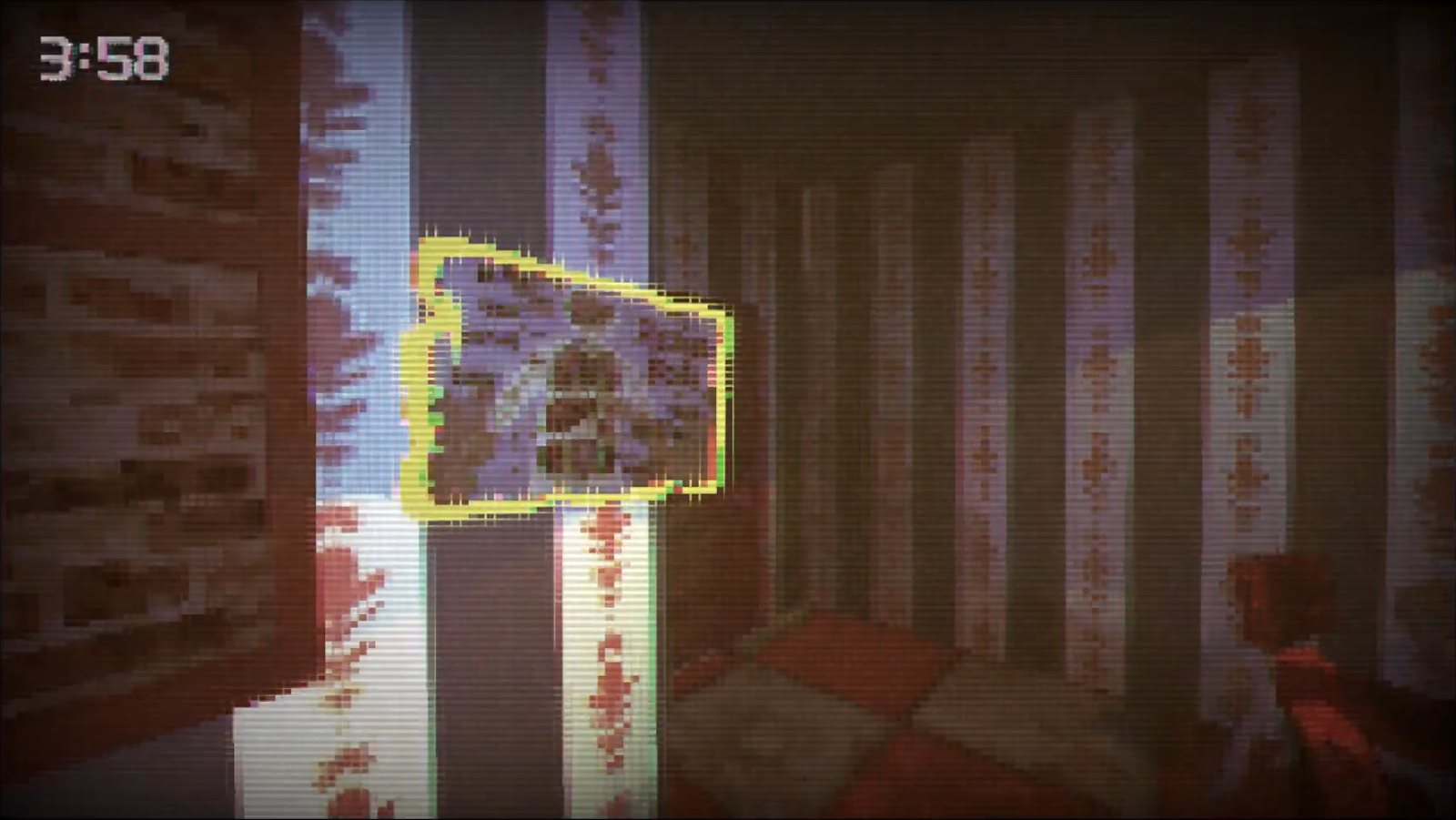
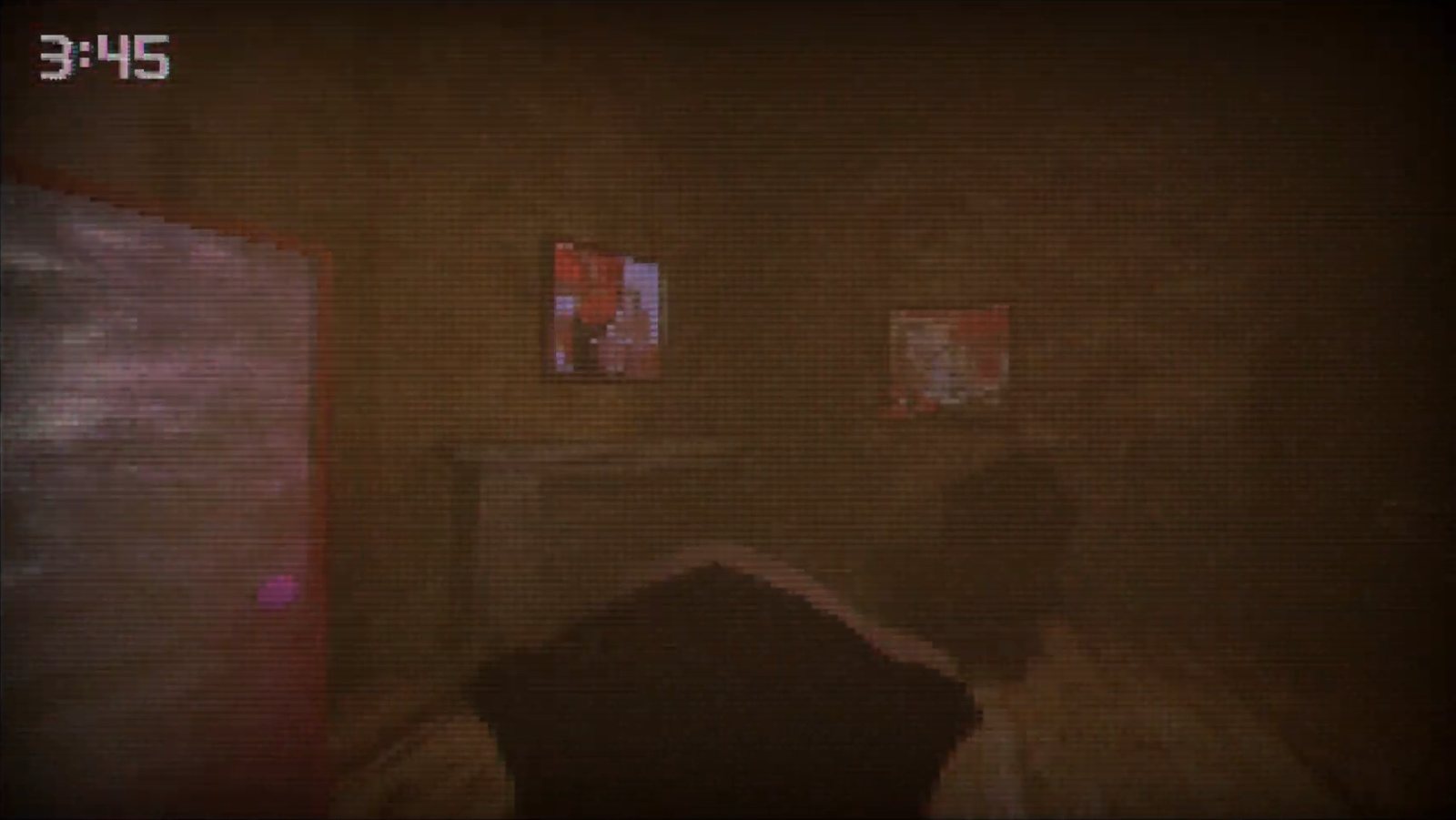
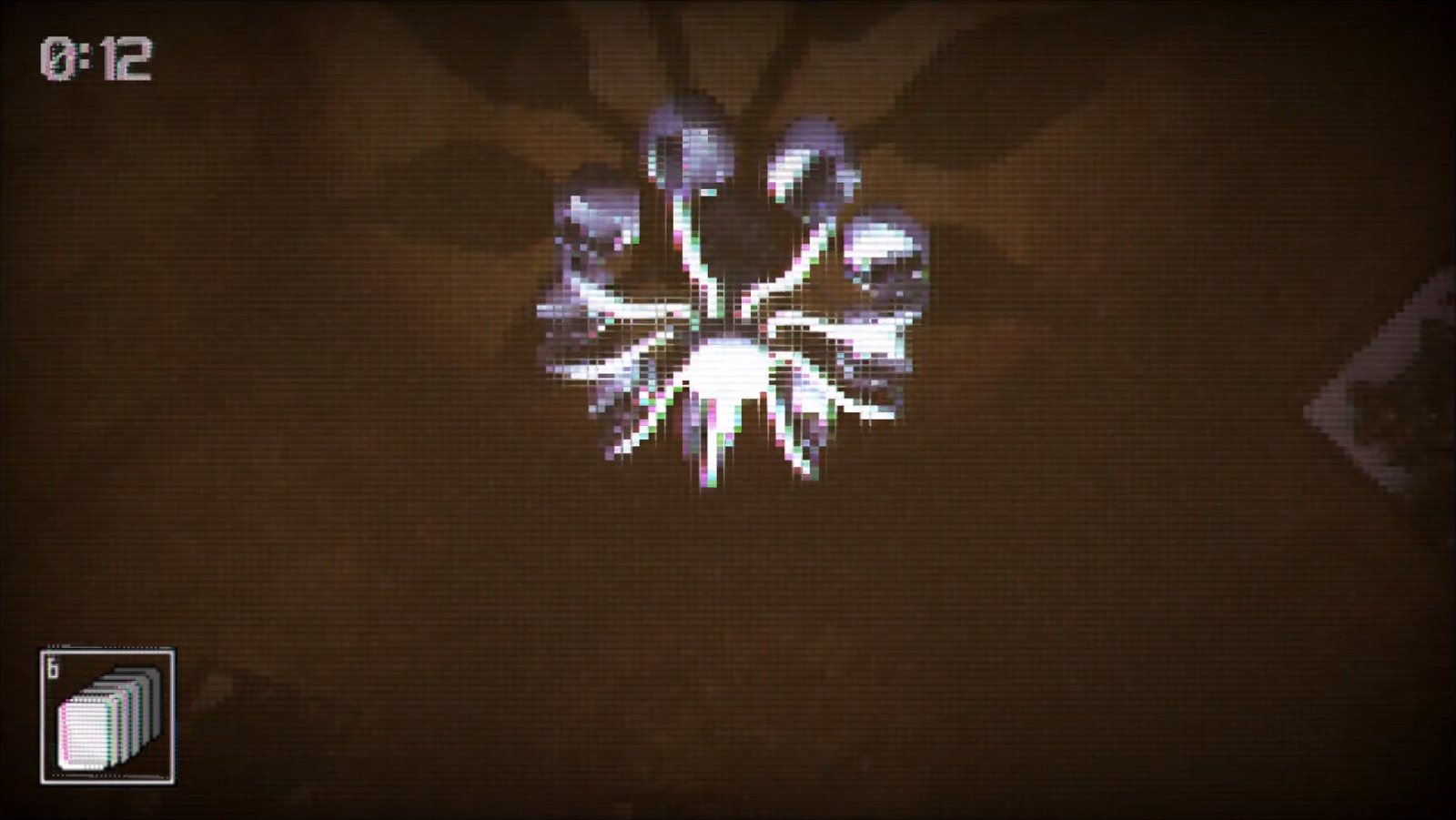
In-game captures from the full playthrough, recorded in Godot with the game’s pixel and CRT filter on.
Puzzles
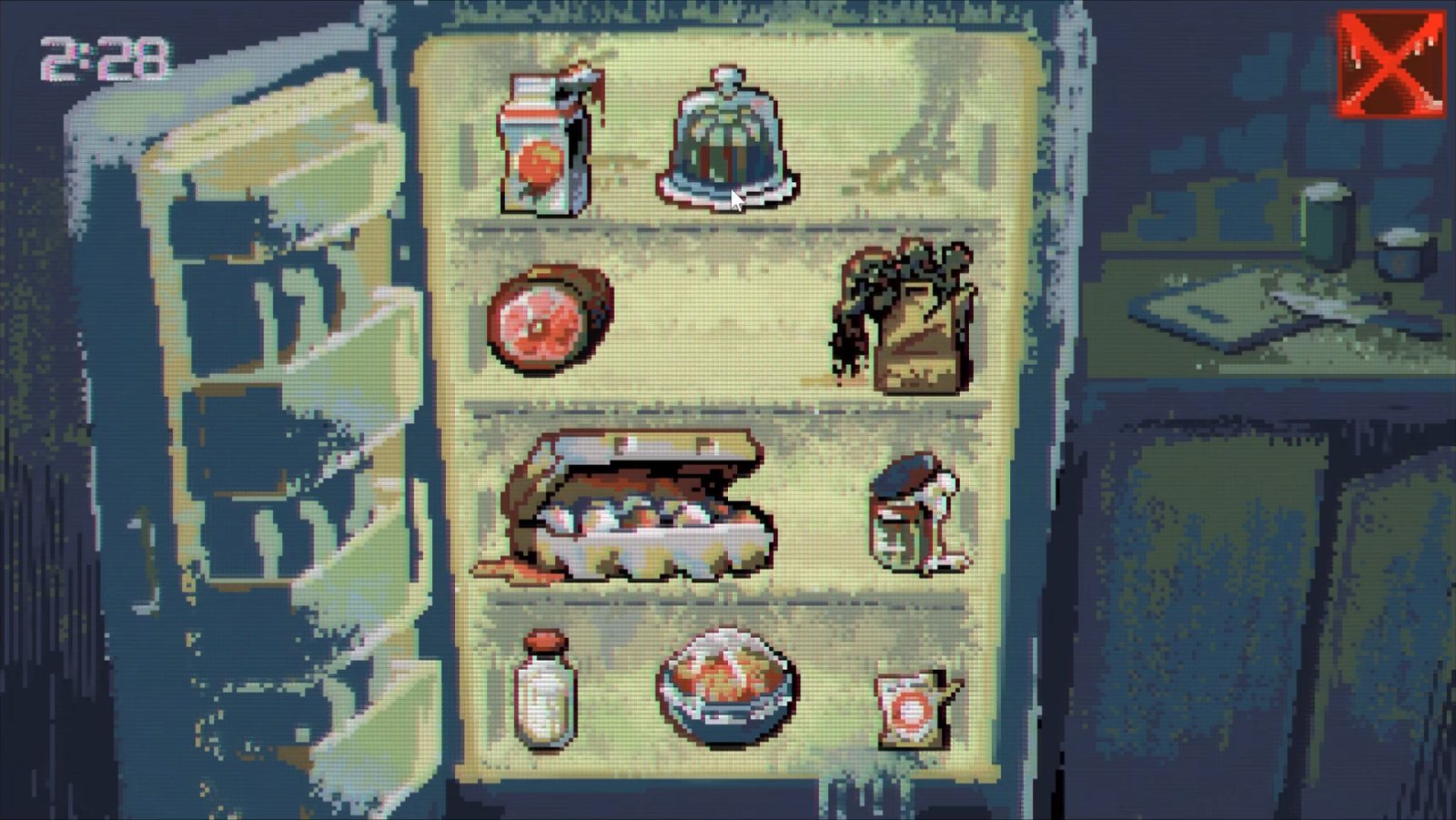
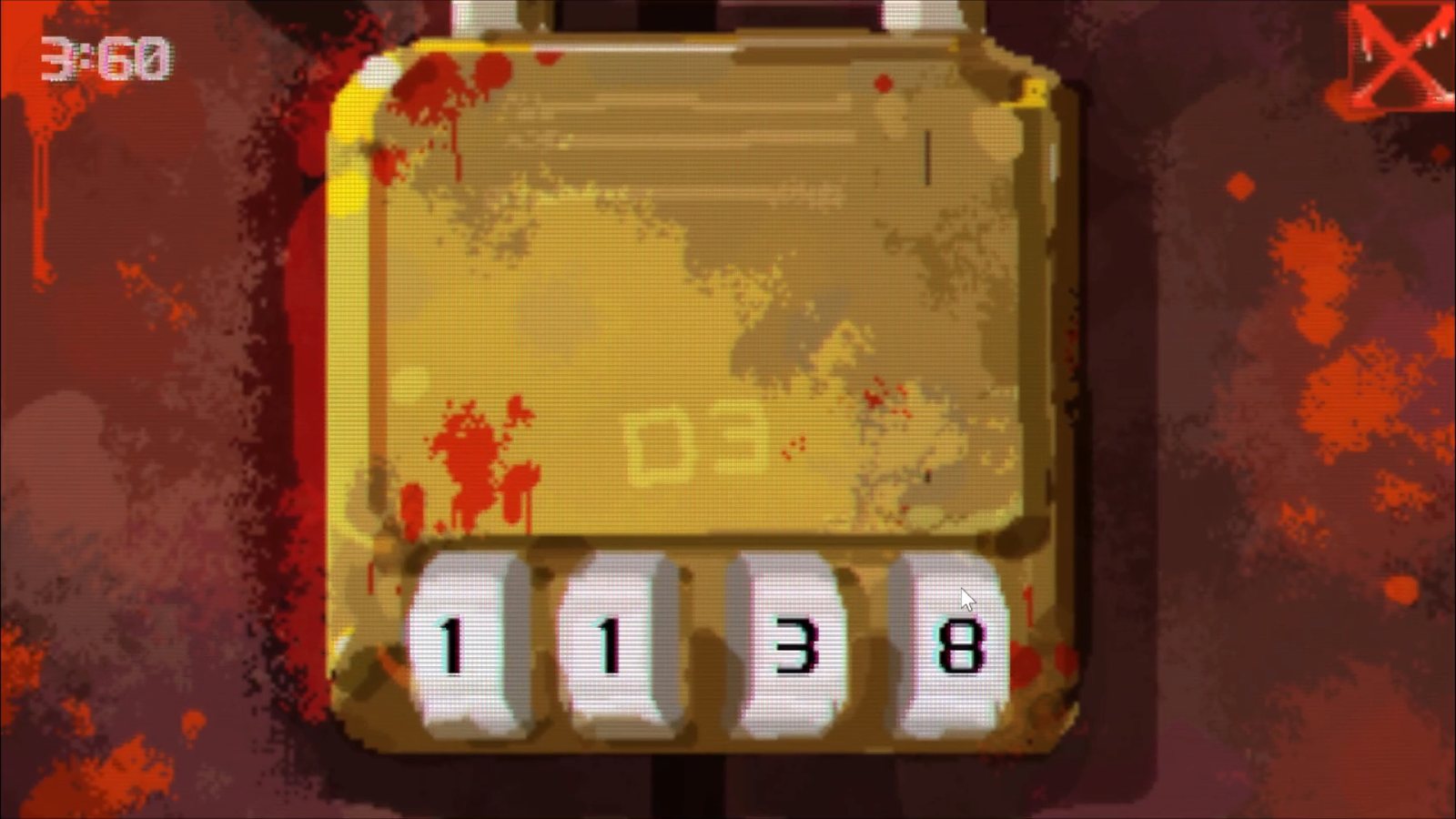
Key decisions
Decision 1
Agree on the look before modeling
Before building rooms, I put together a concept board pairing Victorian interiors with sketches of the kitchen’s “haunted” version — a grocery list that turns into a list of organs, a fridge that fills with them. Having one reference kept artists working on different rooms aiming at the same house.
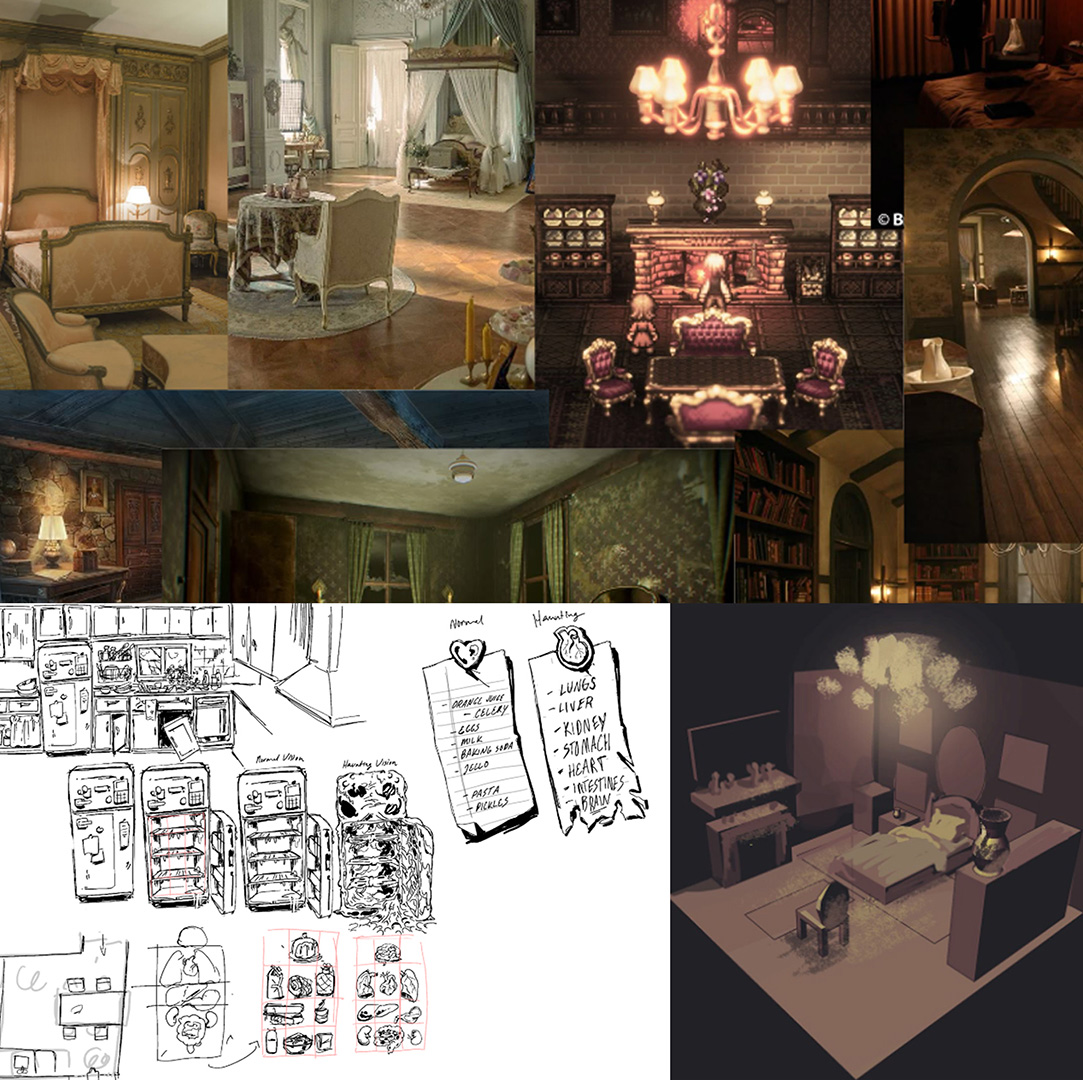
Concept board used to set the visual tone: interior references, team sketches, and a lighting study. Decision 2
Texture for unease, not just darkness
A dark room hides a model; it doesn’t make it frightening. I pushed the textures toward worn, stained, and cracked surfaces until the house felt sick rather than just dark.
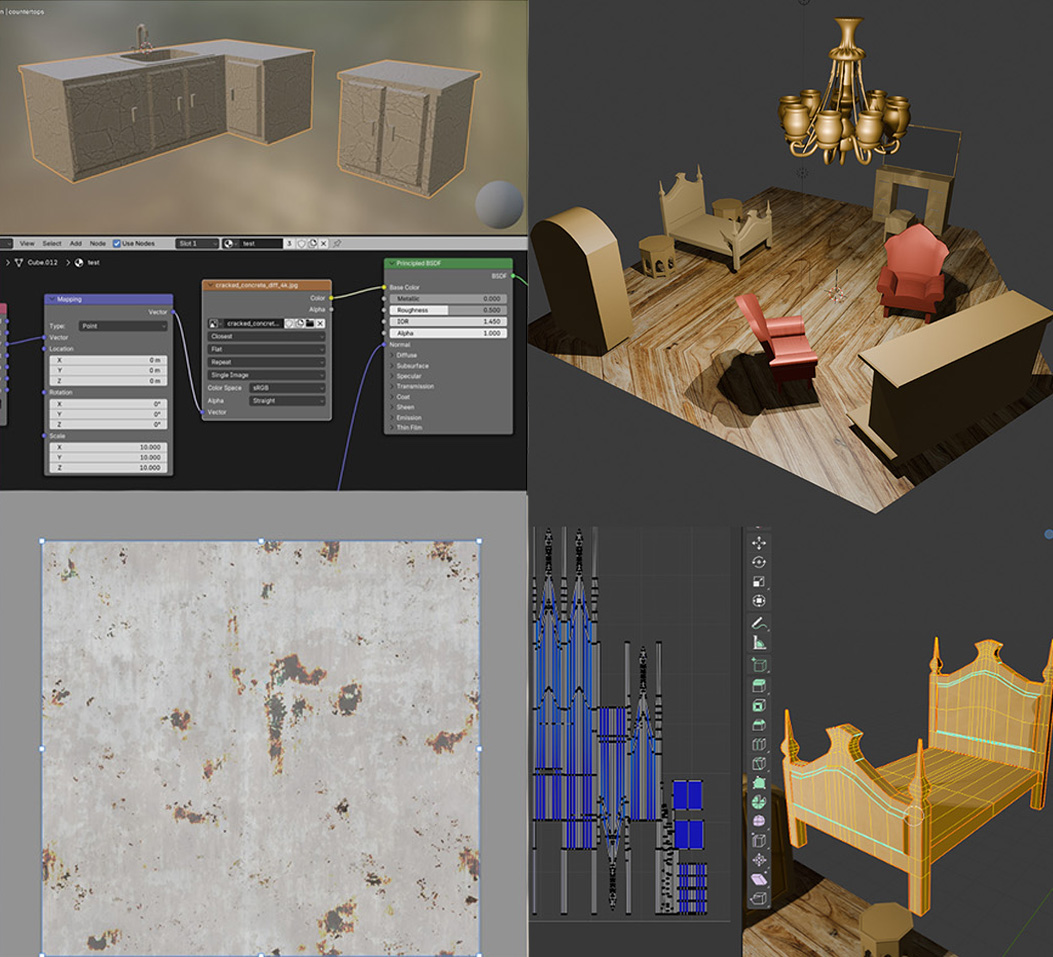
Texturing and UV work in Blender: a cracked-concrete counter material, its node setup, and the bed frame’s UV layout.
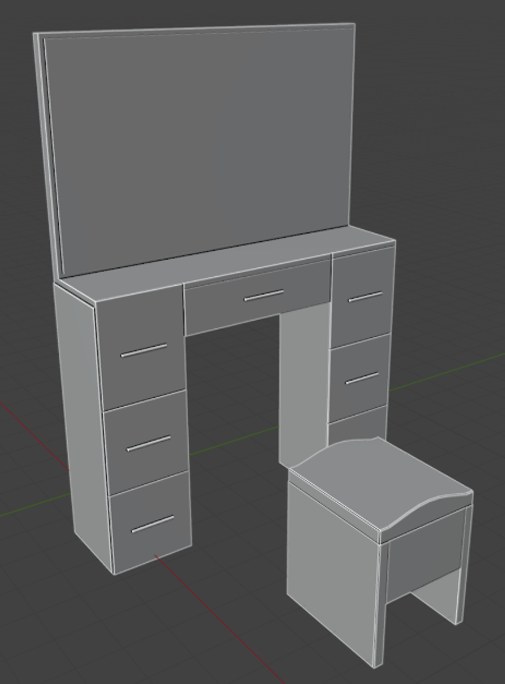
Props I modeled
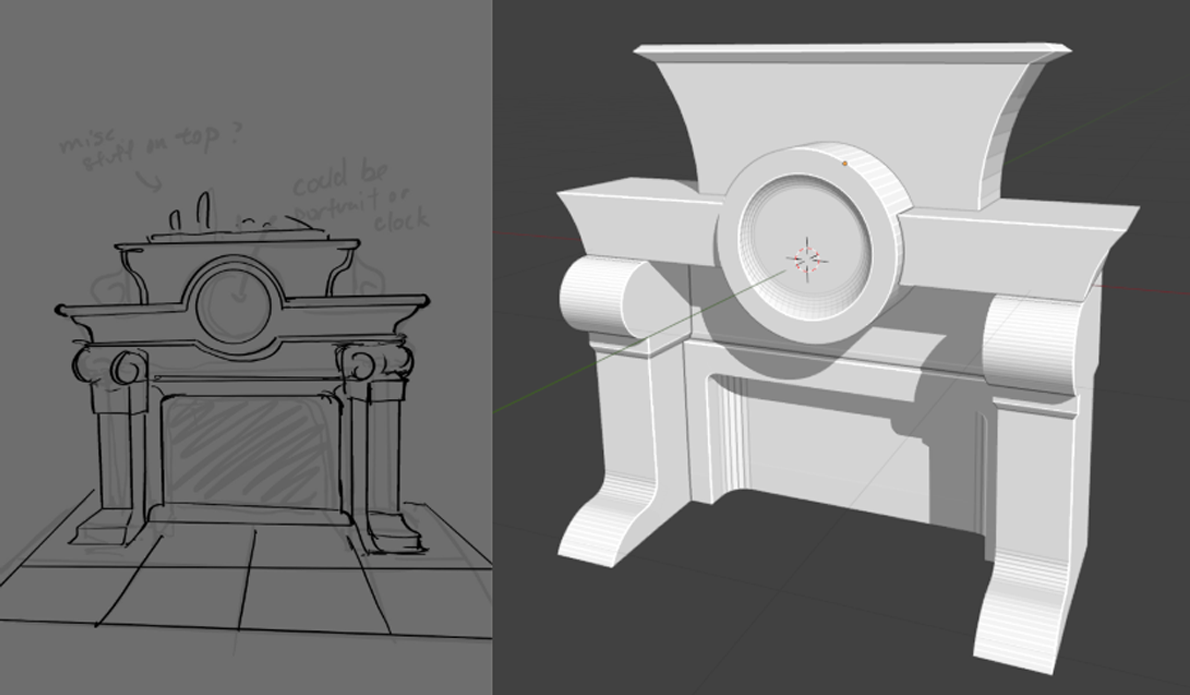
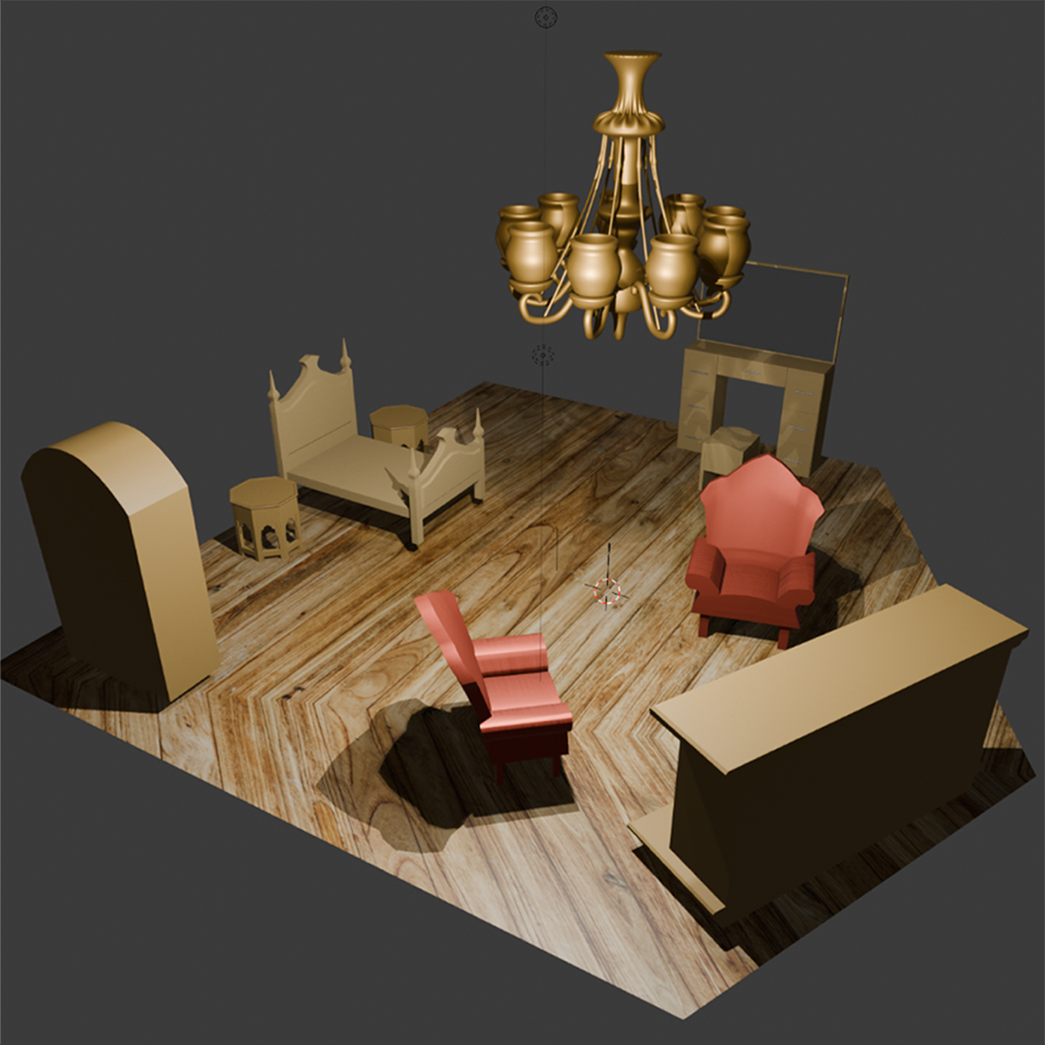
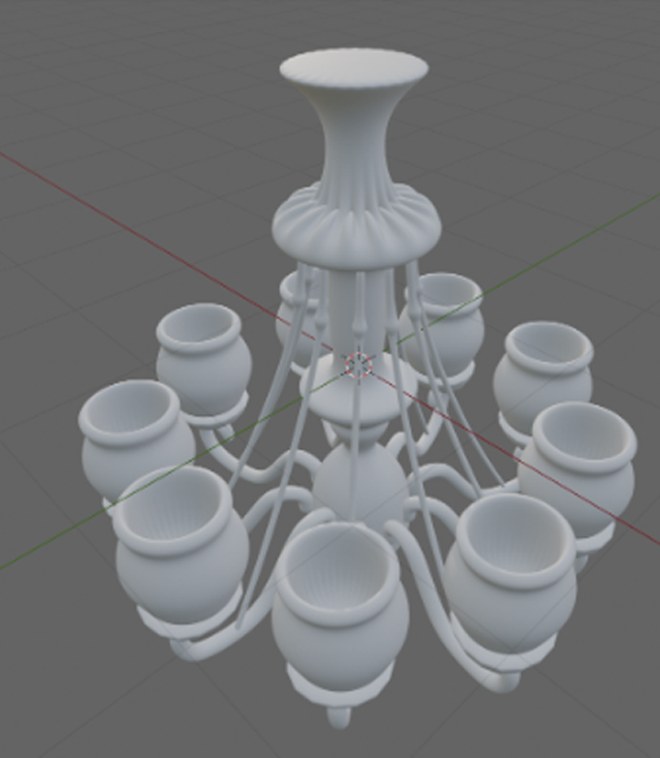
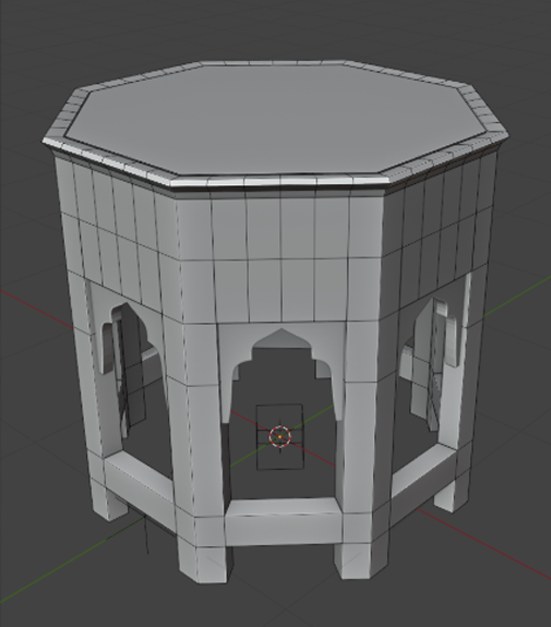
Results
- Hungry Haus shipped as a playable first-person horror puzzle game on the team’s itch.io page.
- My environment and prop models went into the Godot build of the house.
- Playtests I ran surfaced more than 30 issues, which the team resolved.
Credits
- Producers
- Henry Earnest (also programmer), Macey Horton
- Programmers
- Max Guo, Josh Ehrlich (also 3D artist), Bokai Bi
- 2D/3D artists
- Raúl Falcón, Andrea Kim, Taira Schurman
- 3D artists
- Ian Haut, Sara Atefi
- 2D artists
- Rokia Whitehouse, Johnathan Han, Irene Park, Cindy Peng, Cathy Rong, Rachael Tuan, Chase Wu, Rachel Chen
- Music
- Brown–RISD Game Developers
Credits as listed on the Brown–RISD Game Developers itch.io page.
Next project
Enchiridion