Product Design · Mobile · AI Health Companion
Qetos: daily momentum
Qetos turns complex functional-medicine protocols into calm, time-aware daily actions through AI coaching, biometric context, and positive reinforcement.
Phase 2 · Rebuild · Day 18/30
Metabolic Resilience Protocol
One 5-minute breathing reset.
You're building momentum
Small, steady actions across your five pillars — no need to rush.
Your protocol path
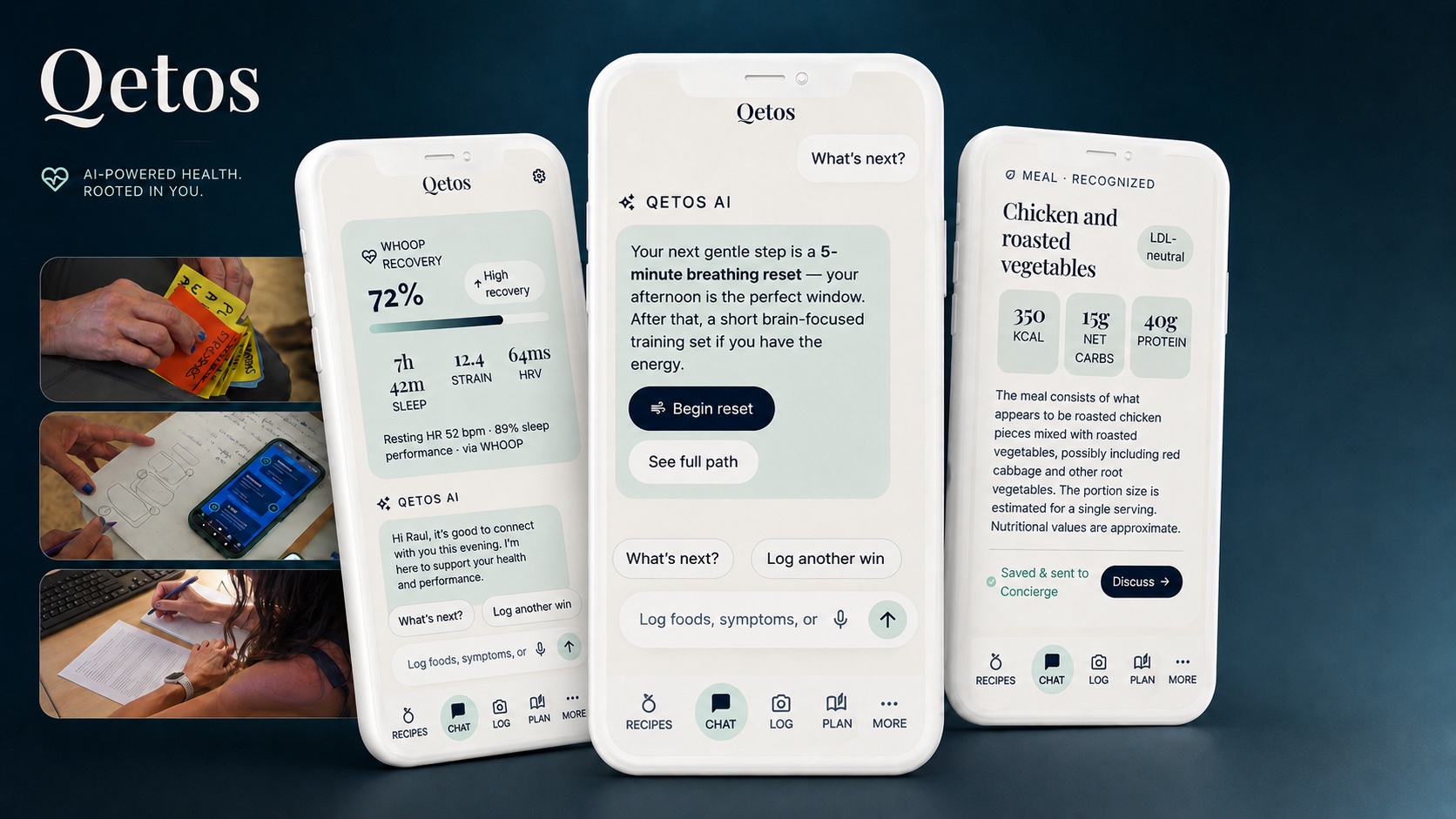
A calm daily path — one next best action, a gentle momentum read, and the five D.R.E.S.S. pillars as soft, time-aware cards.
Role
Lead Product Designer
Timeline
Summer 2026
Team
Design — Raúl Falcón
Type
Consumer Health · AI Companion
Overview
Helping users feel capable, not corrected
Functional medicine protocols are often clinically strong but difficult to sustain in daily life. Qetos fills that execution gap: an AI health companion that turns dense plans into calm, time-aware guidance.
Through research and iteration, Qetos evolved from a compliance prototype into a system focused on helping users feel capable, not corrected. As Lead Product Designer, I led strategy, UX research, interaction design, behavioral psychology, prototyping, and visual design.
Qetos makes complex health behavior feel manageable while creating structured adherence data for future clinical dashboards.
It’s the flagship product of Ailiur, the studio I’m building for AI-native tools across health, learning, and science — and the clearest expression of my through-line: turning complex scientific systems into something people can act on.
Audience
Who Qetos is really for
Adherence is the make-or-break variable in metabolic health, so Qetos is designed for the three people who decide whether a protocol succeeds.
01
The patient
A functional-medicine patient holding a complex protocol — motivated, but overwhelmed and at daily risk of quitting. The primary user.
02
The clinician
Physicians and health teams who need real adherence signal between visits, not just lab archives — the future dashboard audience.
03
The metabolic-health space
Ketogenic and metabolic-psychiatry protocols (e.g. Metabolic Mind) where execution, not information, is the bottleneck.
The Problem
Clinical protocols are powerful — but hard to live with
Functional-medicine patients often receive complex protocols spanning diet, supplements, breathwork, sleep, movement, tracking, and symptom journaling. While clinically useful, these plans can become overwhelming in daily life.
In early testing, one health plan required 26 minutes of deep focus just to understand. Users had to figure out what mattered, when to act, how to prioritize, and what counted as progress.
The problem was not motivation. It was translation: patients lacked an interface to turn clinical complexity into daily behavior.

26 min
Of deep focus to understand one optimal health plan (User Test v1)
10+
Daily interventions — diet, supplements, breathwork, recovery and tracking
Translation
The real barrier to adherence — not motivation
Key Early Insight
The protocol was not the product
The daily interpretation layer was the product. Qetos needed to become the missing behavioral interface between clinical instruction and real human follow-through.
How might we translate a medical protocolClinical protocol into a mobile experienceMobile product that leverages positive reinforcementReward, not guilt to drive long-term adherenceDaily follow-through?
Research
Understanding why users abandon health plans
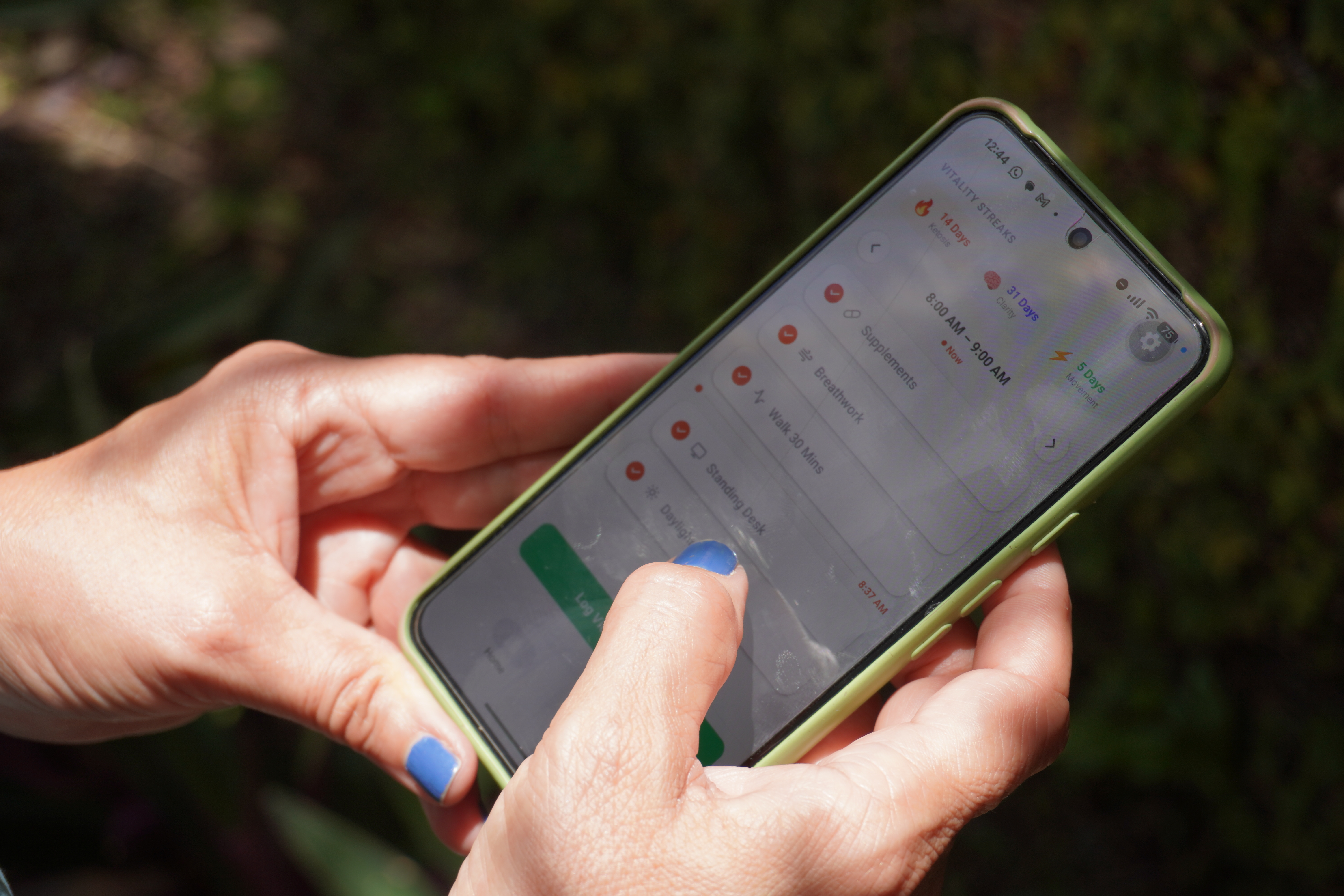
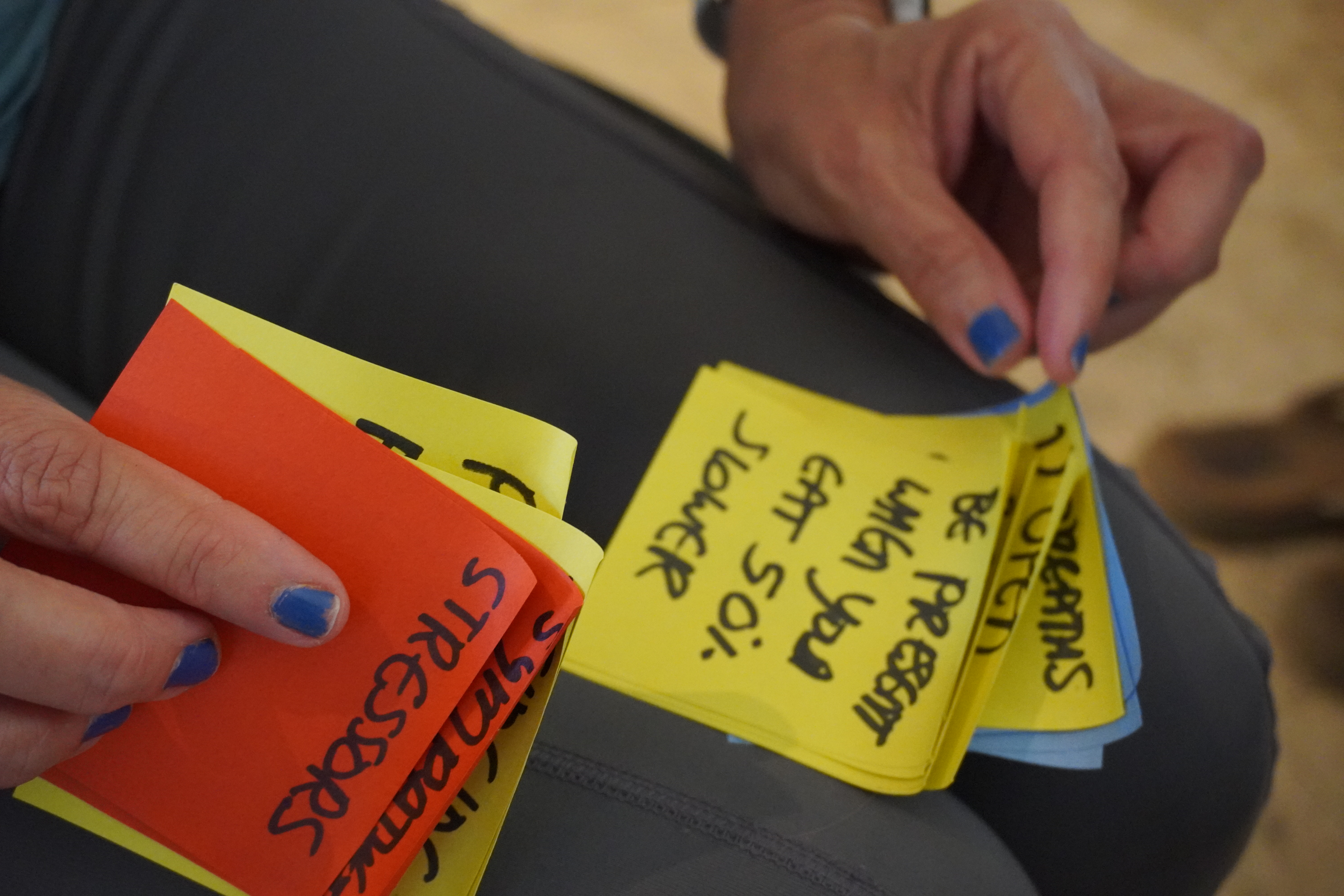
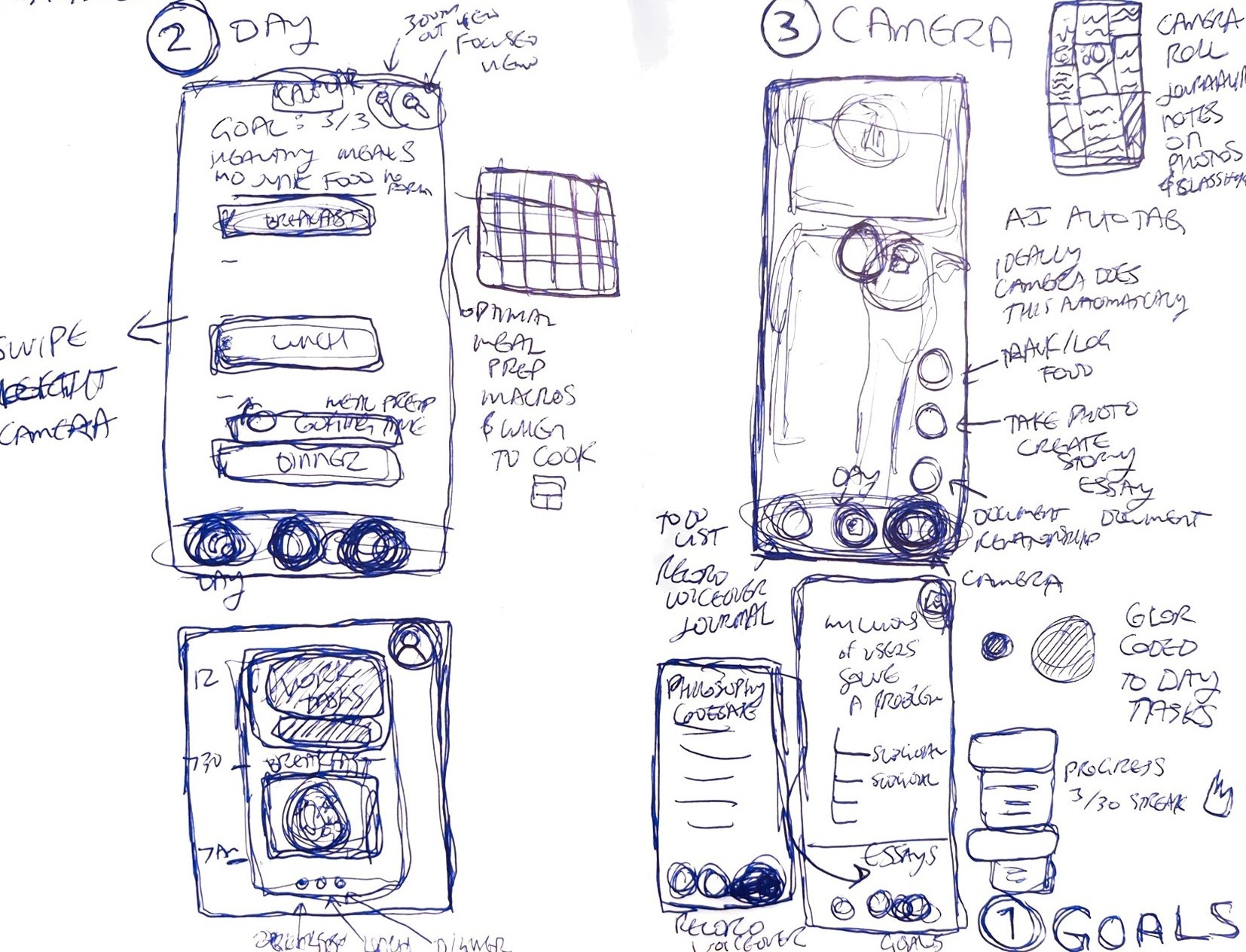
I conducted multiple rounds of user interviews and playtesting sessions to understand how people actually respond to protocol-based health routines.
The research focused on three questions.
01
What makes a protocol feel overwhelming?
Users felt behind when the full plan appeared at once. Too many tasks made starting feel overwhelming.
02
What makes tracking feel negative?
Missed habits, red warnings, and failed streaks made users feel judged. Punitive tracking increased avoidance.
03
What makes users want to continue?
Users responded to wins, recovery, and momentum. They wanted effort recognized, not just perfect compliance.

Comparative Research
The missing middle between trackers & medical portals
I mapped Qetos against two existing product categories to find the gap it needed to fill.
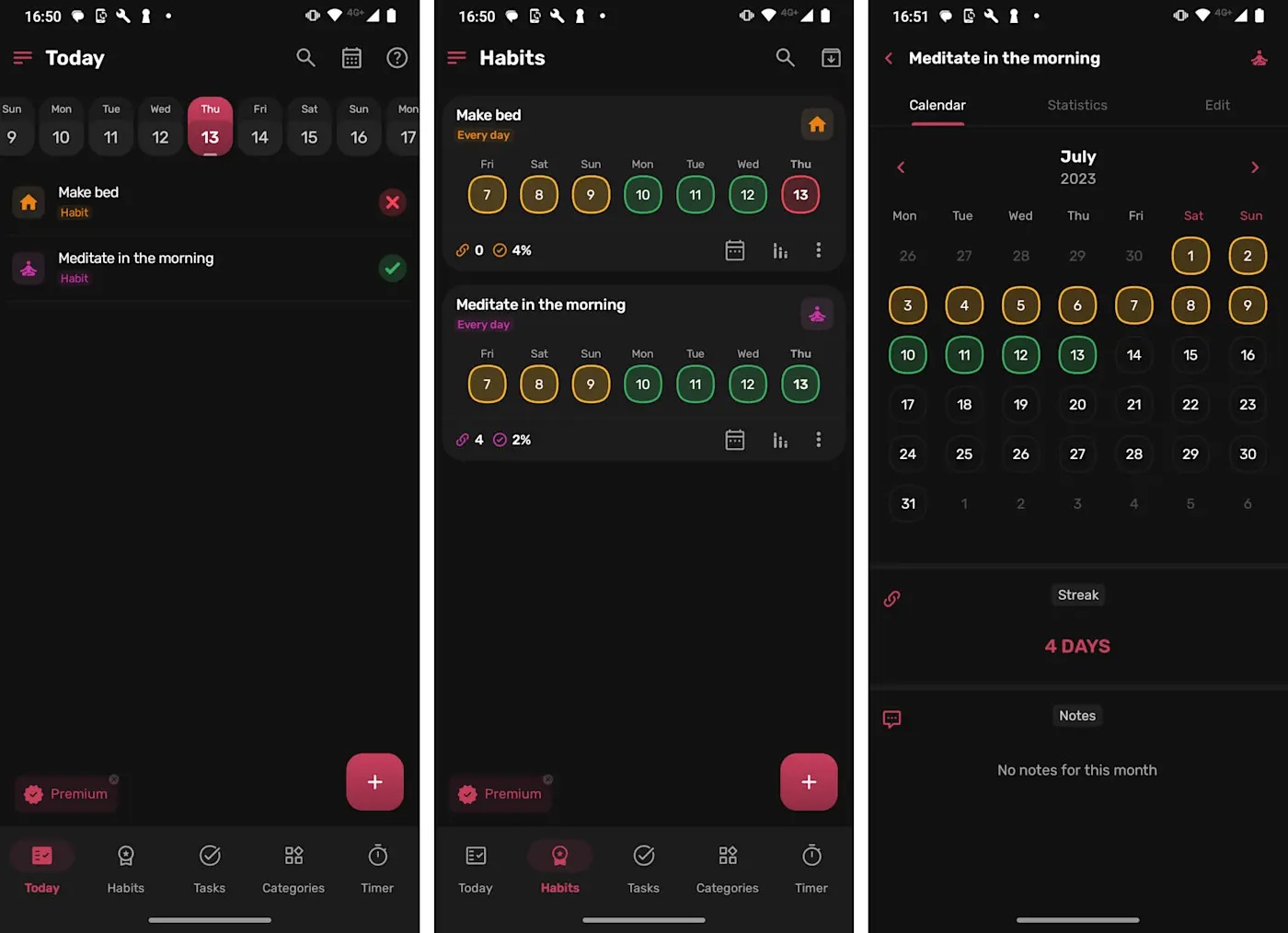
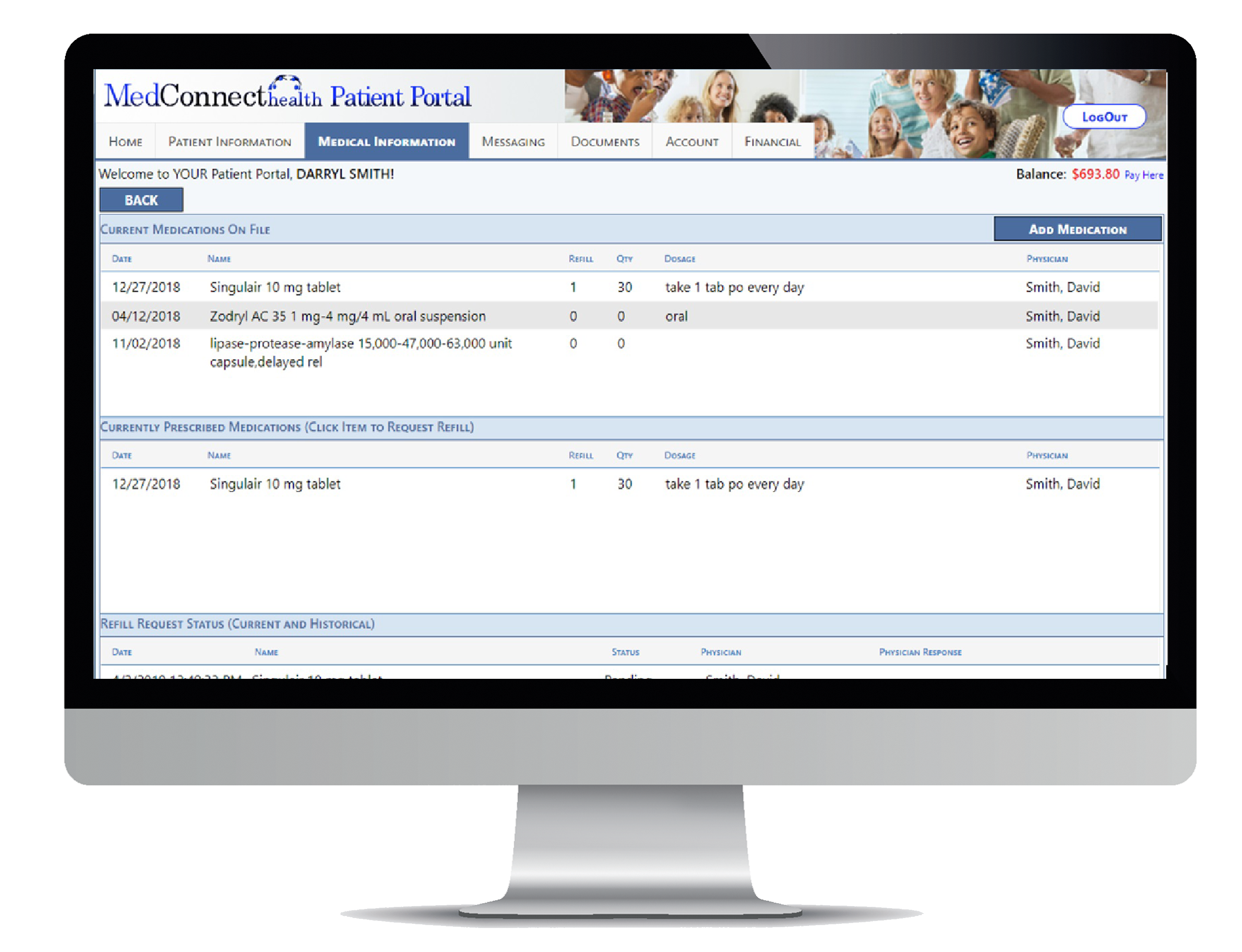
Qetos sits in the missing middle — combining the motivational rhythm of a habit product with the seriousness and structure of a clinical protocol system.
The Initial Prototype
A strict adherence model that created the wrong emotion
The first prototype centered on compliance, showing tasks, progress, and missed actions clearly.
User feedback revealed the issue: rigid checklists and clinical warnings made people feel like they were failing.
Users needed a way to re-enter the protocol without guilt, not more reminders that they were behind.
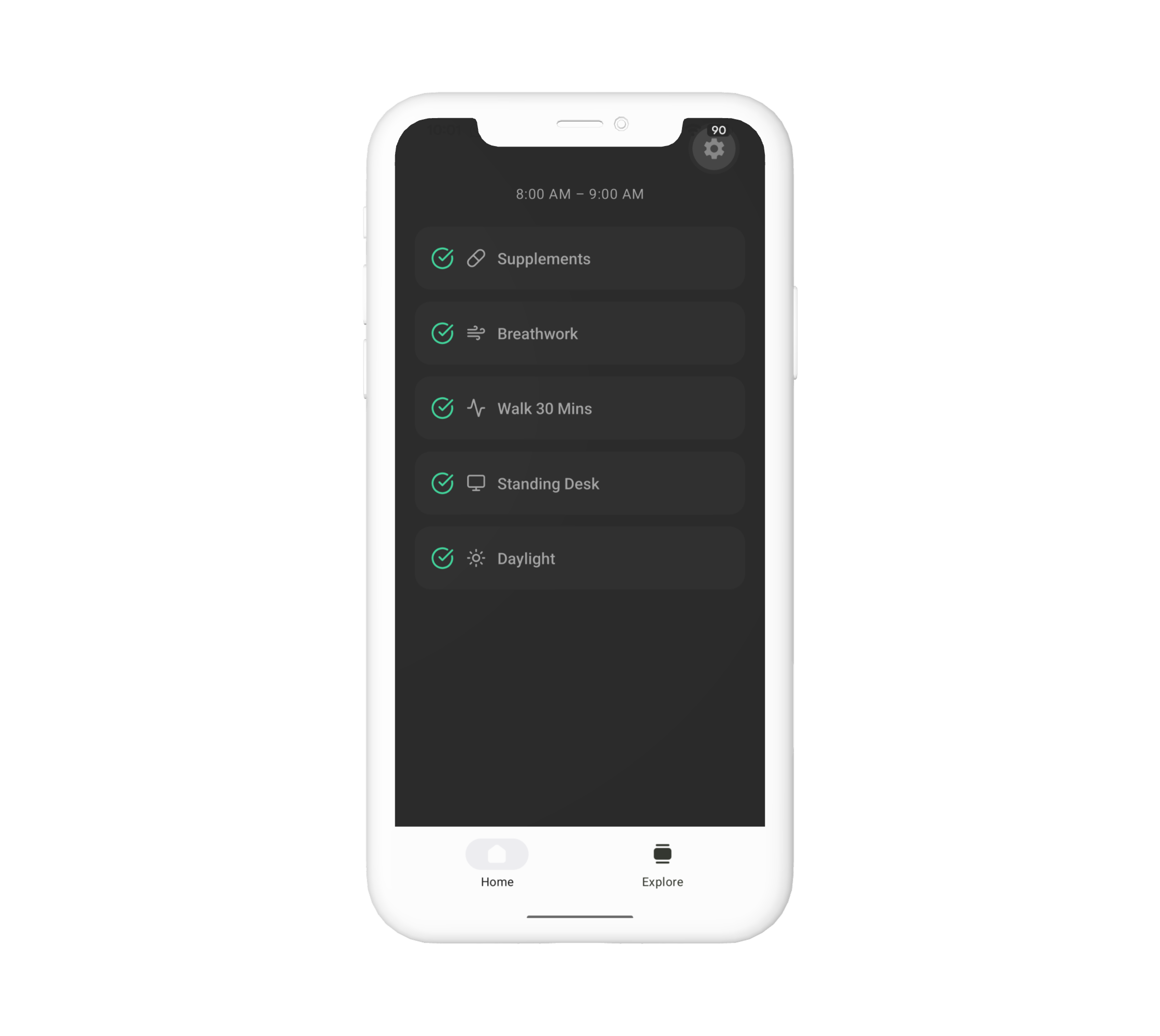
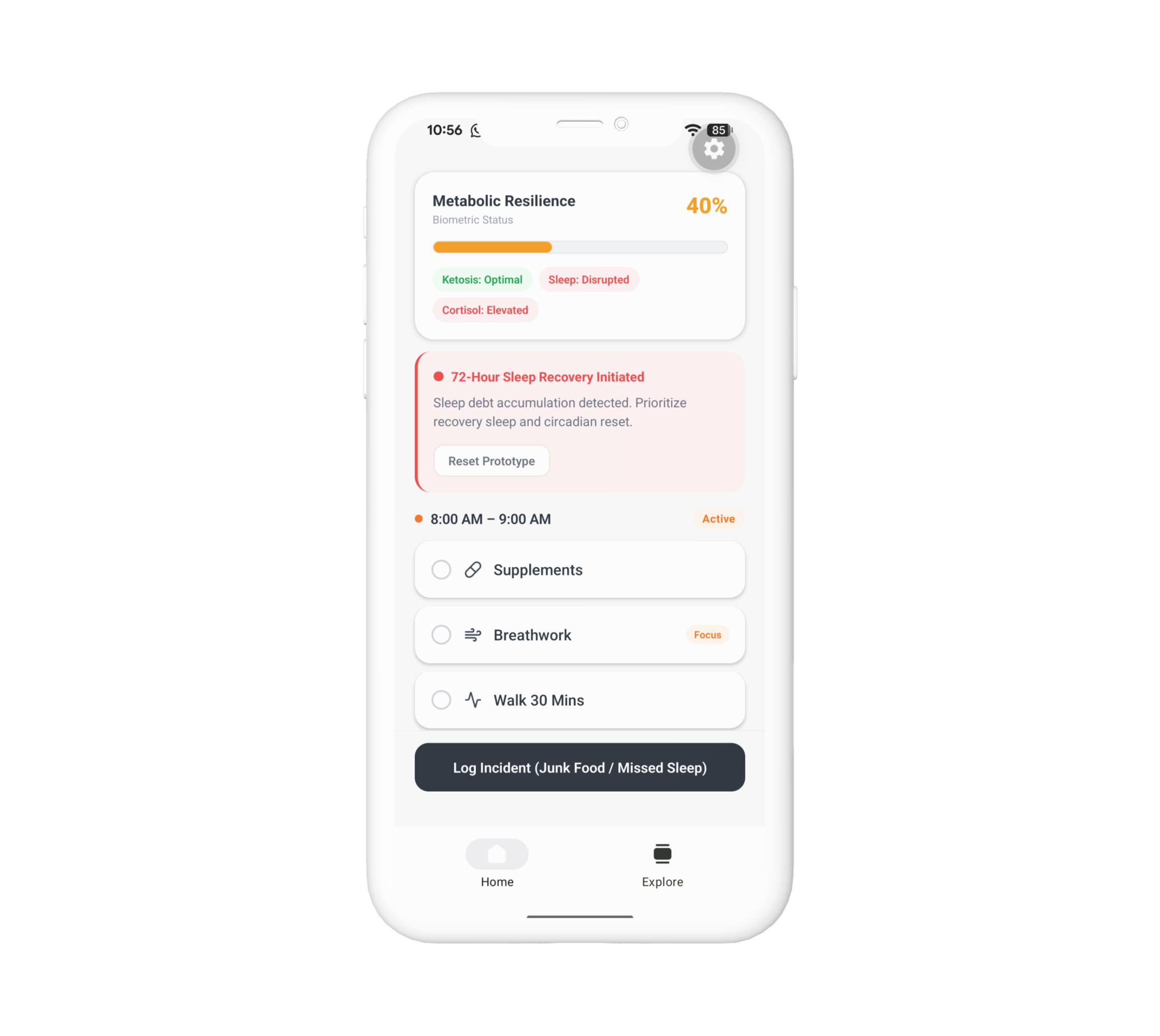
The central pivot: from compliance tracking to momentum design.
Design Strategy
Turn the protocol into a daily companion
The final product direction was built around three UX principles.
01
Progressive disclosure
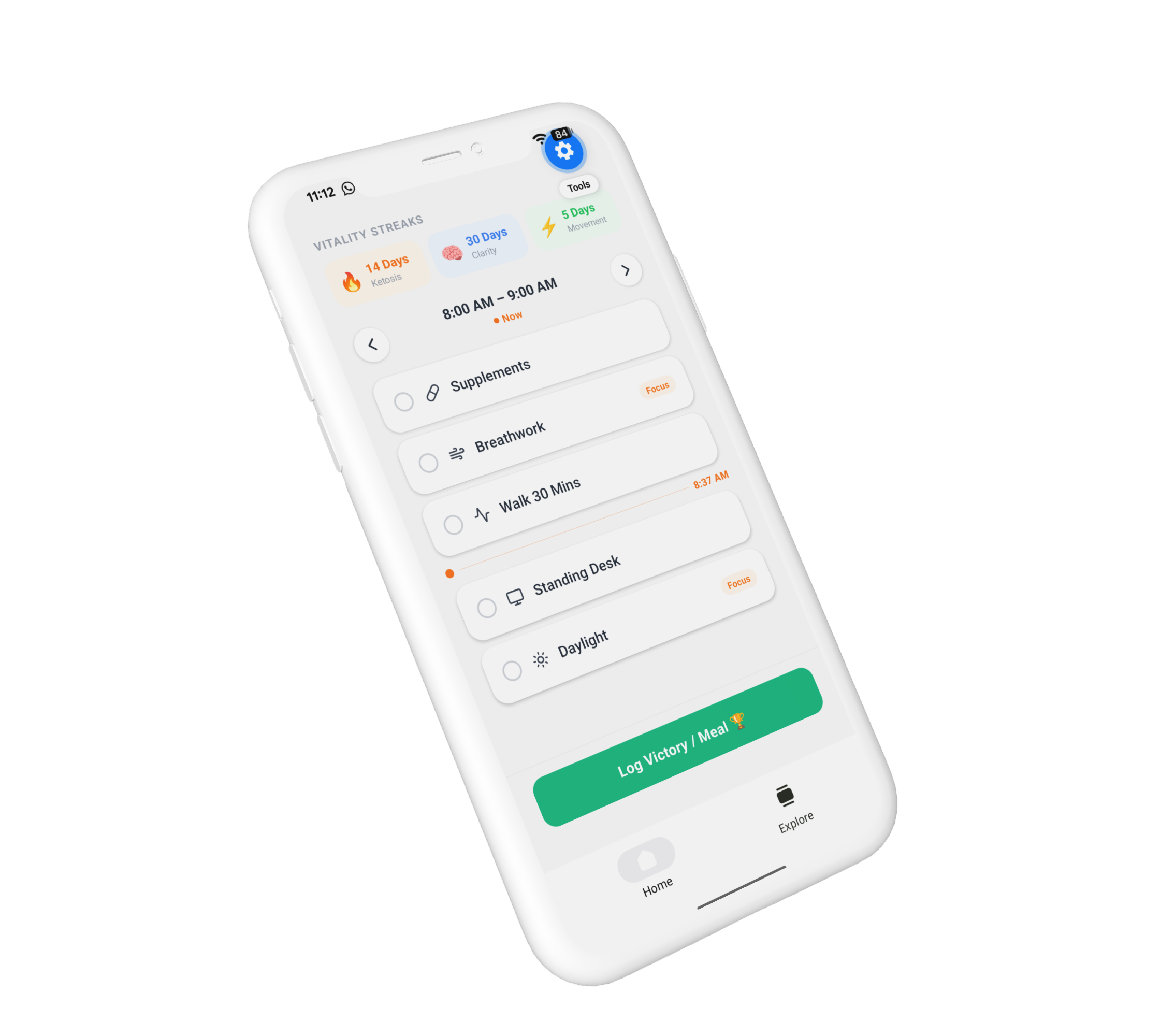
Qetos breaks the protocol into time-boxed moments instead of showing everything at once. Users see the next relevant action — supplements, breathwork, logging, or recovery — only when it matters.
02
Positive reinforcement
Qetos turns adherence into a reward loop. Instead of emphasizing failure or missed tasks, it highlights wins, effort, and momentum.
03
Context-aware AI guidance
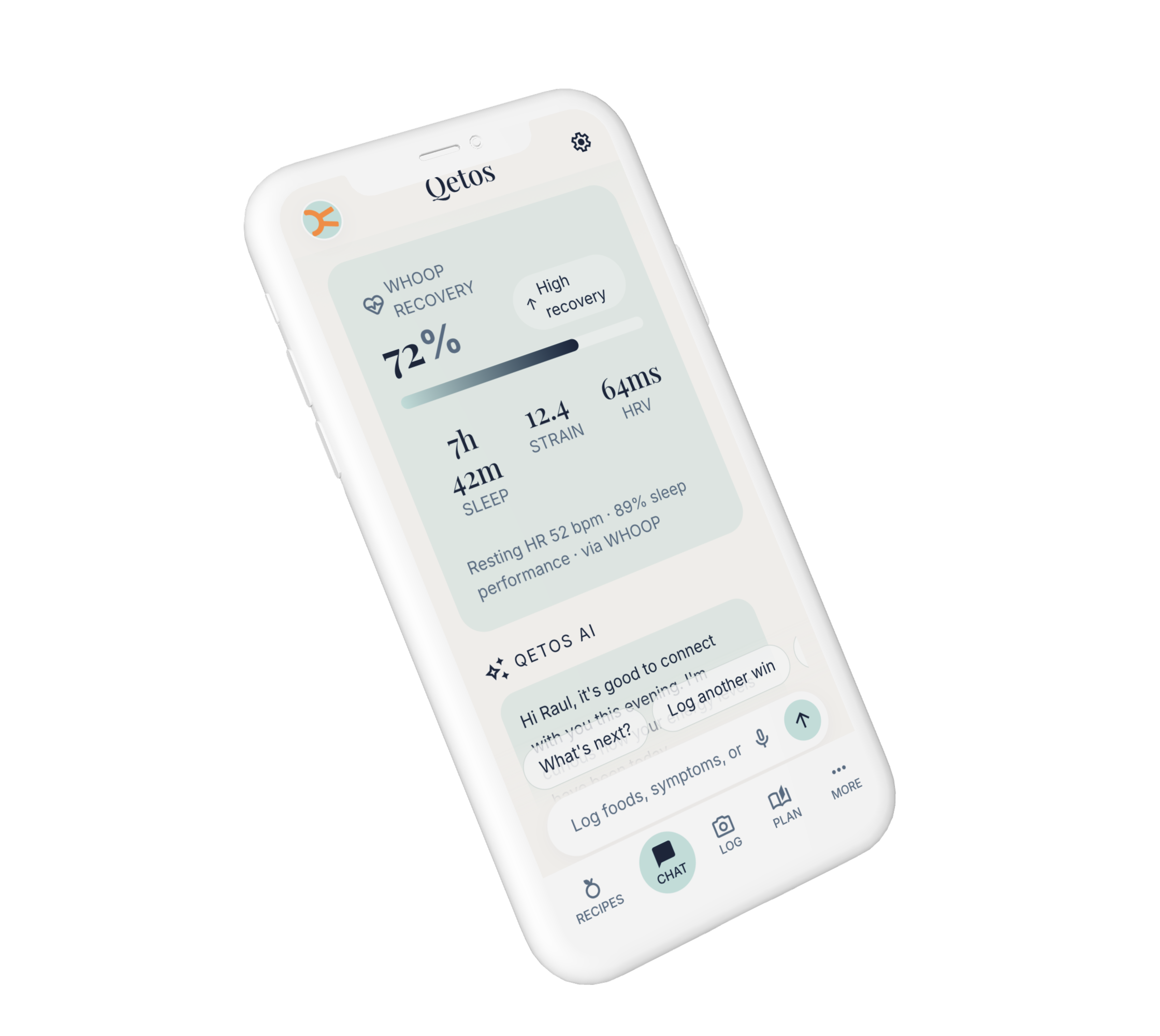
Qetos uses biometric and behavioral context to suggest one gentle next step, helping users act without being overwhelmed by raw health data.
Signature Interaction
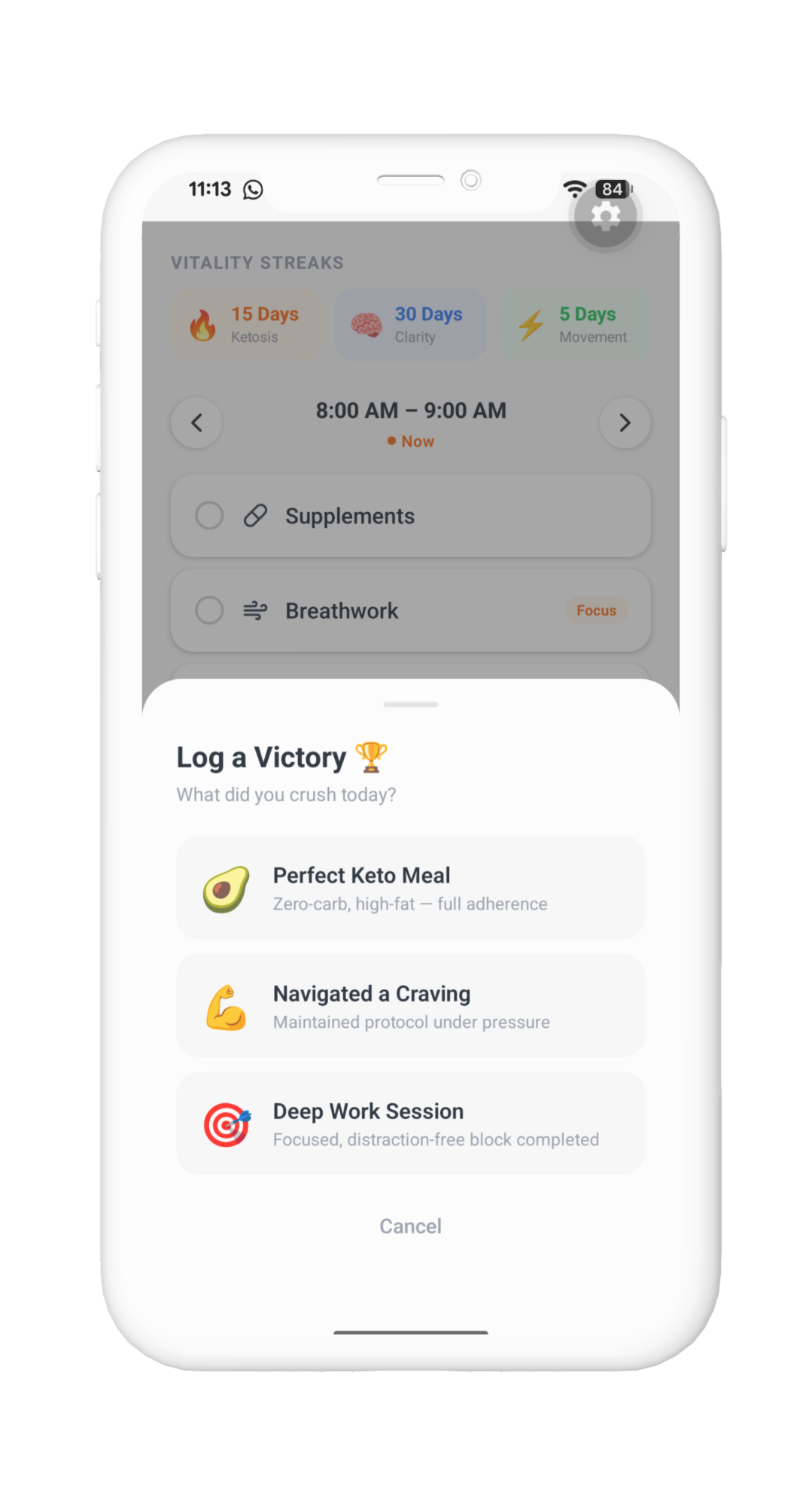
The “Log a Victory” shift
Qetos replaces punitive check-offs with positive logging, helping users recognize small wins instead of missed tasks.
The “Log a Victory” modal became the product’s emotional core, shifting the tone from clinical monitoring to personal momentum.
Final Product
A calm AI health companion for daily adherence
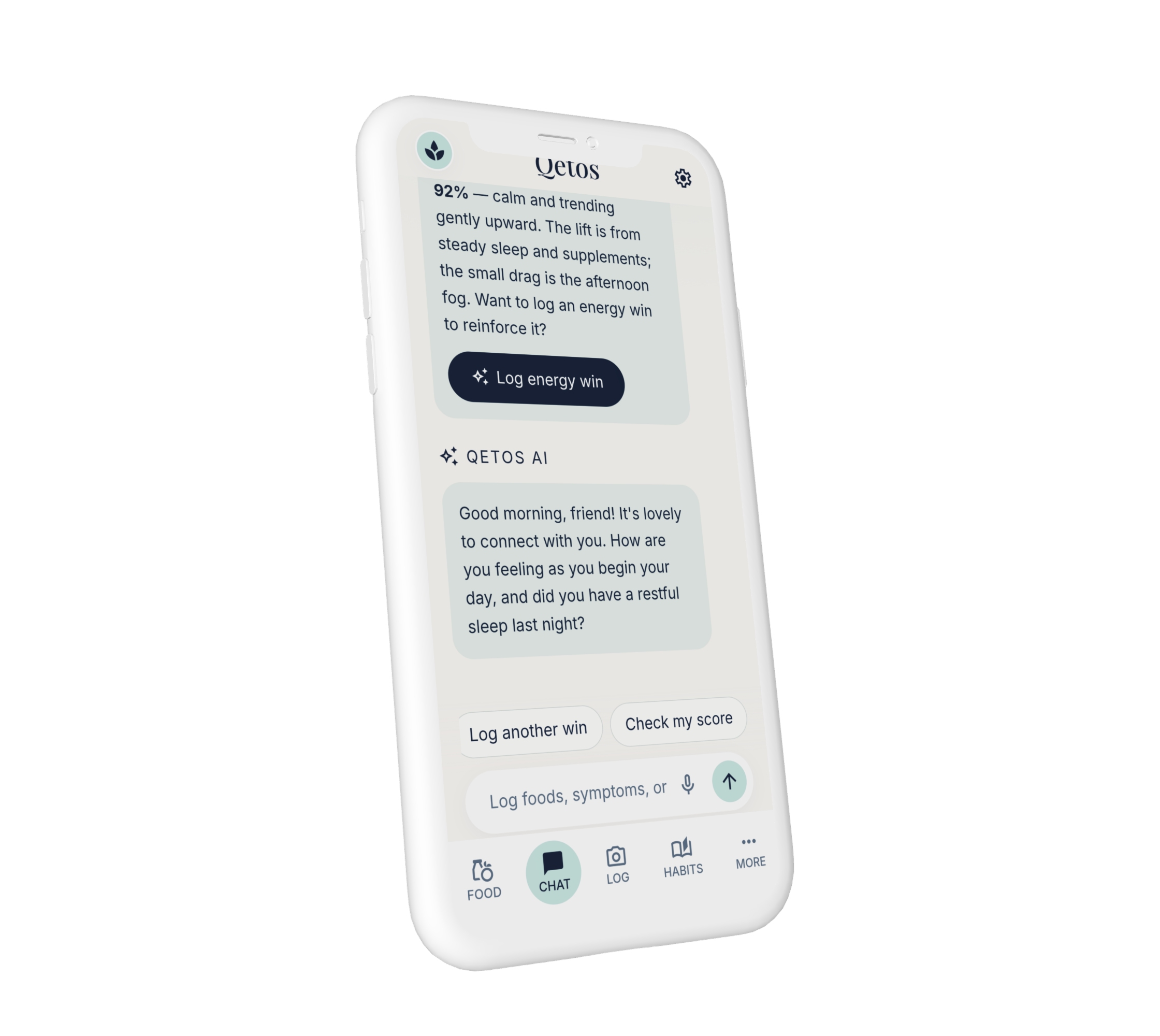
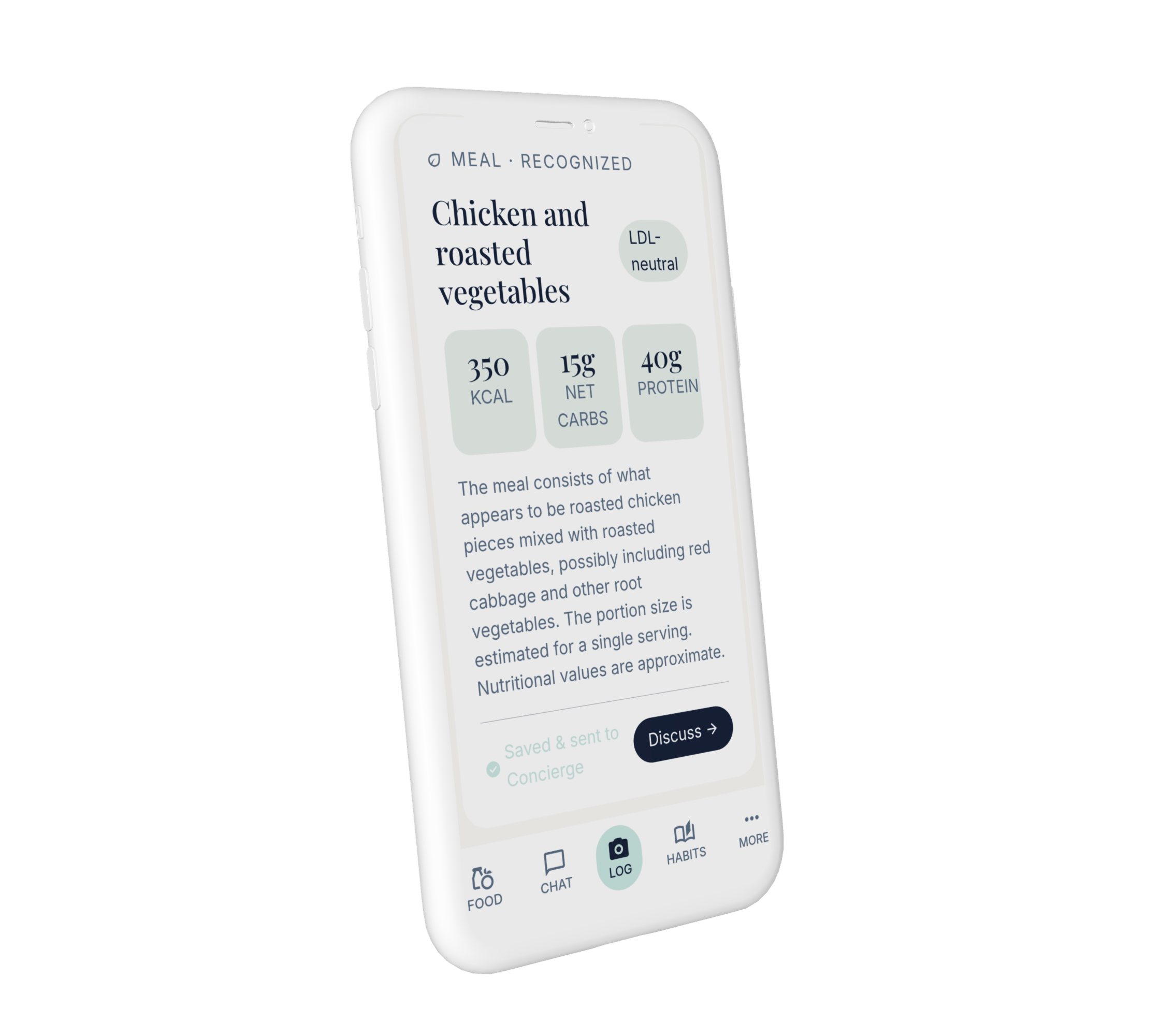
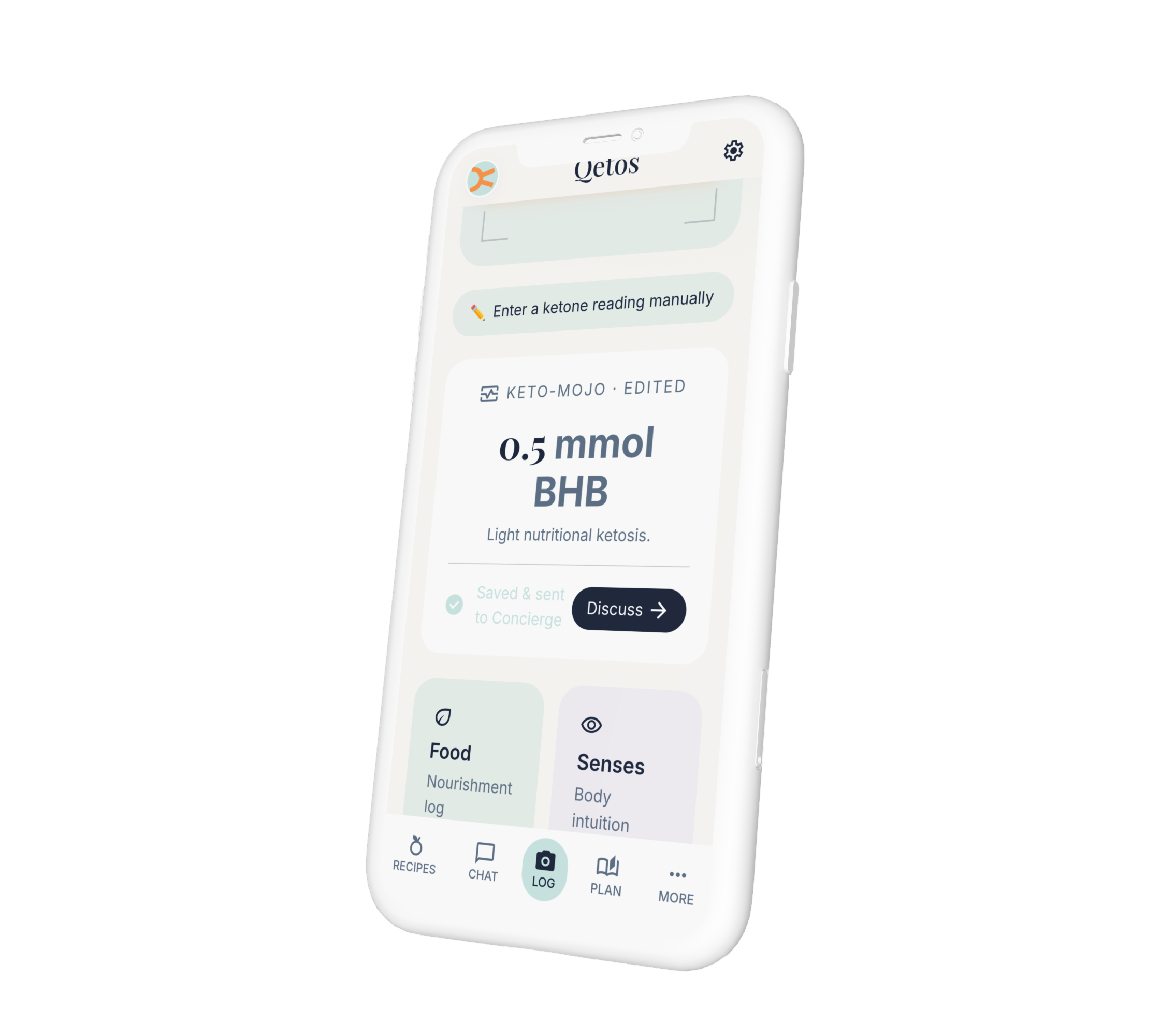
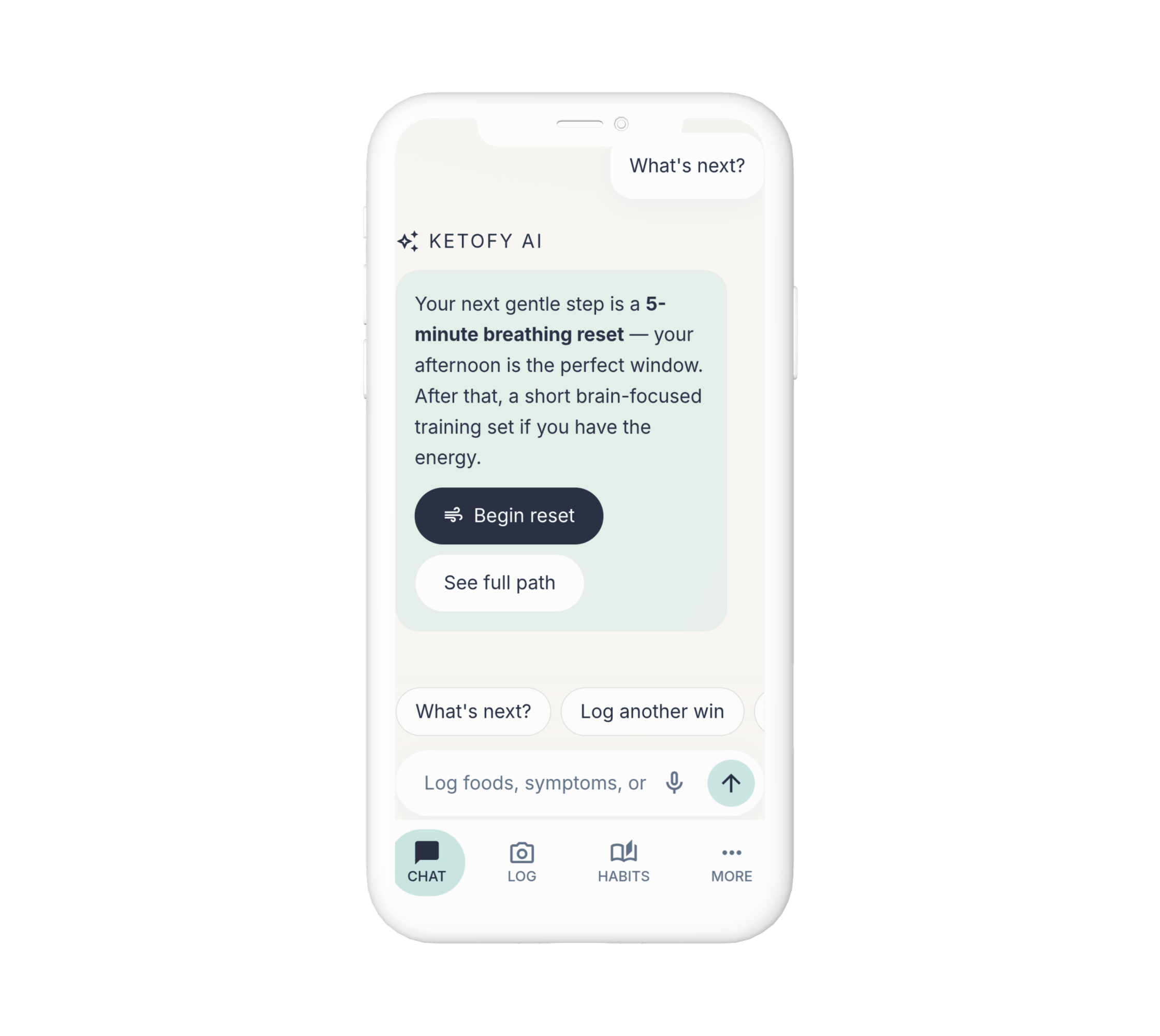
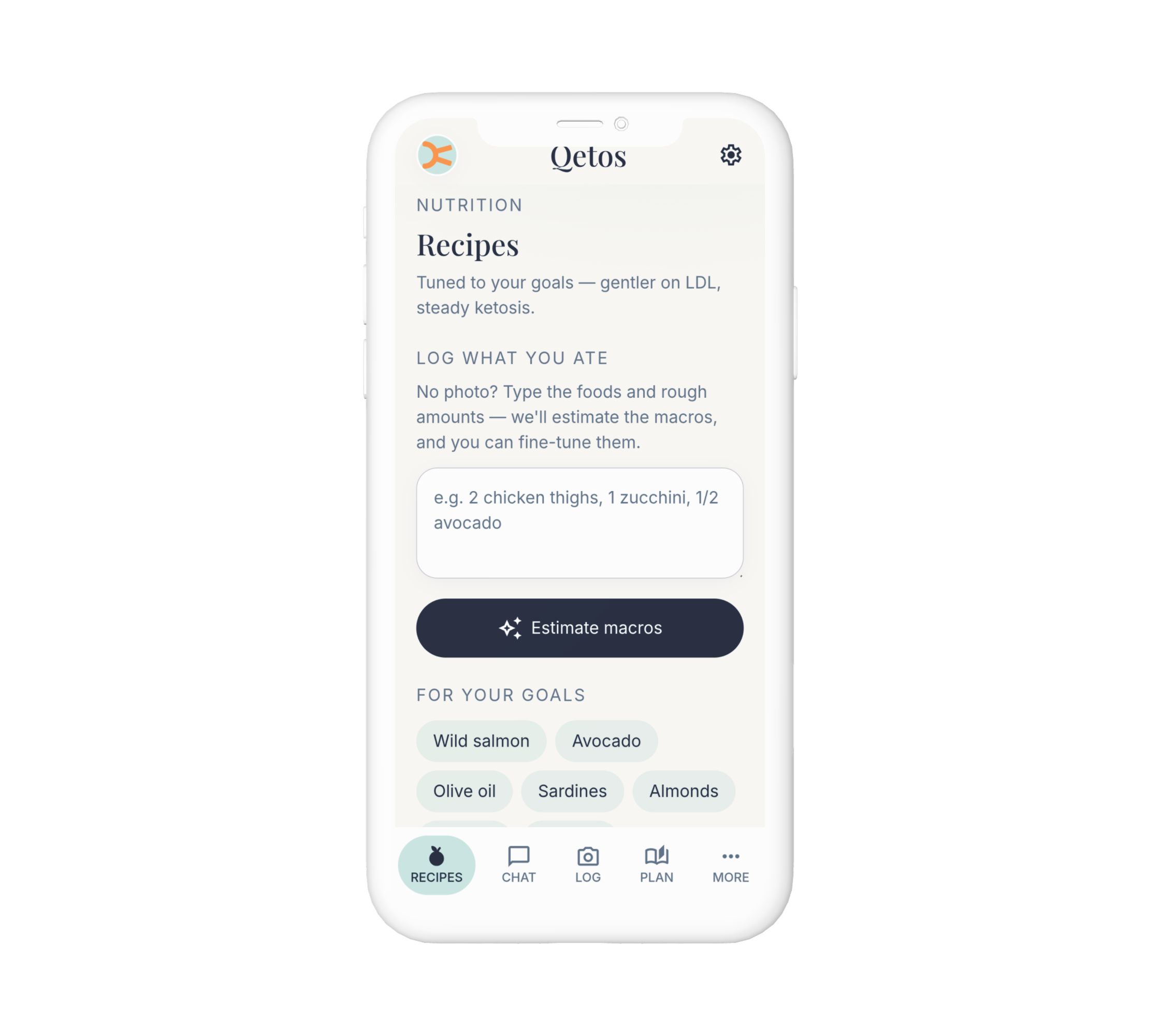
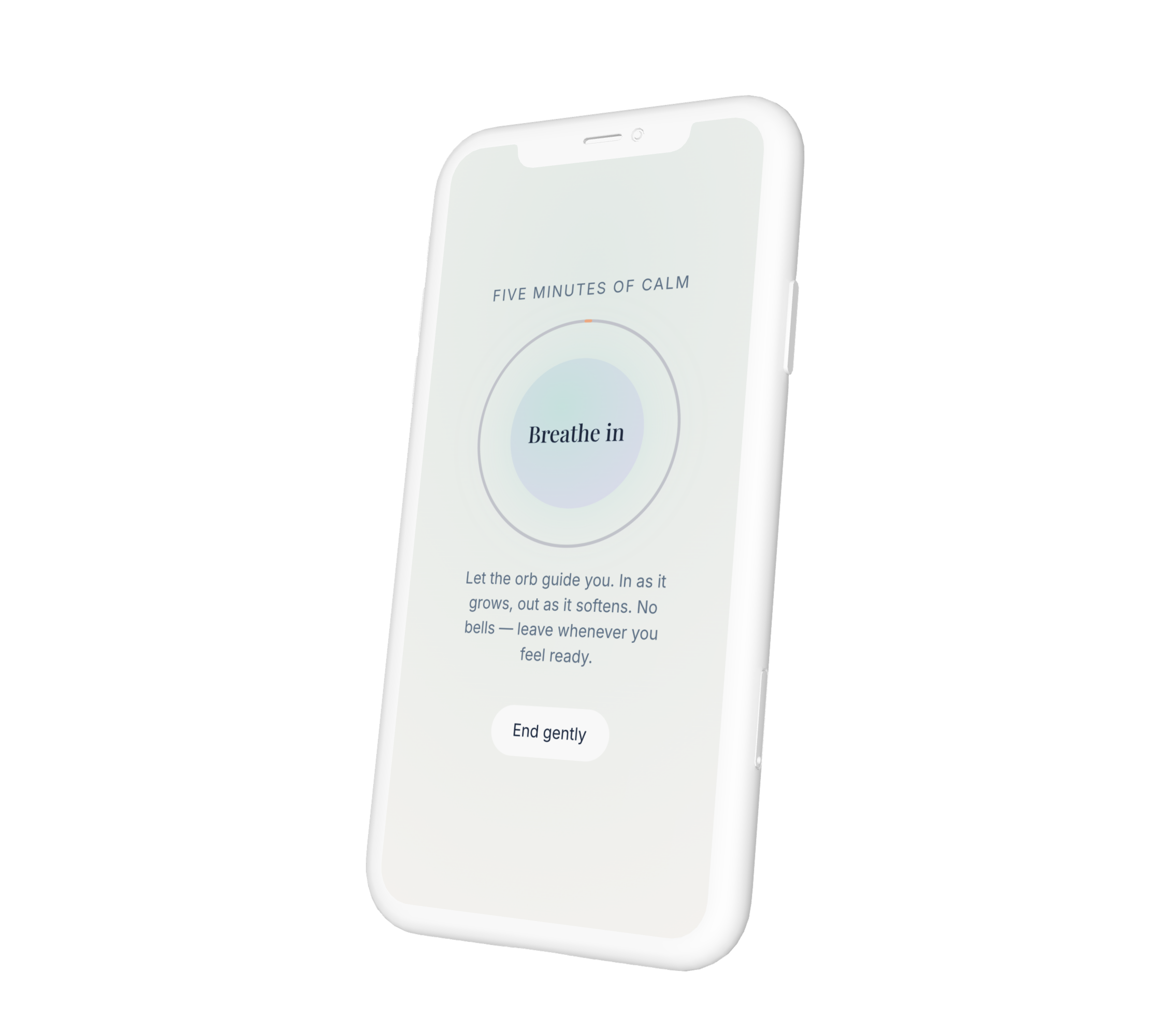
The final Qetos prototype connects a set of mobile experiences — each one a small, low-friction moment in the day.
Product System
A dual-sided product model
Qetos is a consumer mobile product designed with a future clinical backend in mind. Every logged meal, supplement, reading, reset, or behavioral win creates structured adherence data.
For patients, this means clarity and momentum. For clinicians, it becomes a dashboard layer for adherence, symptom trends, biometric patterns, and disengagement signals.
The same daily product creates both consumer value and clinical value.
B2C
Patient-facing mobile companion with daily adherence loop
B2B
Clinical dashboard layer — protocol adherence signals for physician teams
Dual model
One product, two revenue surfaces — consumer subscription + clinical SaaS
Technical Collaboration
Designed to be built
I was the solo designer, so technical collaboration here meant designing for engineering rather than alongside a team — making the system buildable, not just beautiful.
Every logged meal, supplement, reading, reset, and win is modeled as a structured event, so the consumer app and the future clinical backend share one schema instead of two. The AI guidance is scoped as a clean “context in → one action out” pattern that maps onto real biometric integrations (e.g. recovery data), and the flows are prototyped at high fidelity for an unambiguous handoff.
Before & After
From overload to agency
The clearest way to see the work is the shift in mental model — what changed between the first compliance prototype and the final companion.
| Dimension | Compliance prototype (v1) | Momentum companion (final) |
|---|---|---|
| Mental model | A checklist to complete | A daily companion that builds momentum |
| Emotional tone | Shame on a missed task | Celebrated wins — “Log a Victory” |
| Information load | The whole plan, all at once | One time-boxed action when it matters |
| Time to understand | ~26 minutes of deep focus | Glanceable next step |
| Data produced | Tasks done / missed | Structured adherence for clinicians |
Impact & Learnings
From overload to agency
The product evolved through research, playtesting, and repeated iteration — from a rigid task tracker into a more human-centered AI health companion.
01
26 minutes → daily micro-actions
A dense clinical plan became a sequence of small, time-aware actions surfaced exactly when they matter.
02
Punitive tracking → positive reinforcement
The interface shifted away from failure states and toward behavioral wins, removing the shame loop that drove avoidance.
03
Static protocol → adaptive companion
Qetos evolved from a checklist into a contextual AI system that guides next steps while building adherence data for future clinical dashboards.
Live App Preview
See what a day inside Qetos feels like
The protocol becomes a calm daily path: one next best action, a gentle momentum read, and the five D.R.E.S.S. pillars as soft, time-aware cards — no checklists, no red warnings. Open the interactive prototype to move through Today, Chat, Logging, and Habits yourself.
Phase 2 · Rebuild · Day 18/30
Metabolic Resilience Protocol
One 5-minute breathing reset.
You're building momentum
Small, steady actions across your five pillars — no need to rush.
Your protocol path
Qetos uses AI to make complex health routines feel manageable, guiding daily actions, rewarding progress, and creating adherence data for future care teams.
In Summary
The two-minute read
For recruiters & hiring teams
Lead product designer who took an AI health app from a flawed compliance prototype to a calm, behavior-first companion — owning research, behavioral UX, interaction, and high-fidelity UI solo. Turns a 26-minute clinical document into a sequence of small daily actions, and designs the data model so the consumer app feeds a future clinical dashboard.
For founders & operators
Sees the business in the design: architected Qetos as a dual-sided product (a B2C habit loop that generates B2B adherence data) from one daily experience, and located a real market gap — the “missing middle” in metabolic health — before drawing a single screen.
Next project
Enchiridion